

SPECIAL PROJECT
How investment can reshape Ukraine's economy.
Key points from the roundtable held by Ekonomichna Pravda and Bukovel
12 November 2026
Ukrainian businesses are going through one of the most difficult periods since the start of Russia's full-scale invasion. Russia regularly strikes businesses, energy infrastructure, logistics facilities and warehouses in Ukraine, causing material damage and loss of life.
Yet businesses in Ukraine continue to operate and expand. Capital investment in the economy totalled UAH 307.9 billion (roughly US$6.8 billion) in January-June 2026, up 9.9% on the same period a year earlier, according to the State Statistics Service of Ukraine.
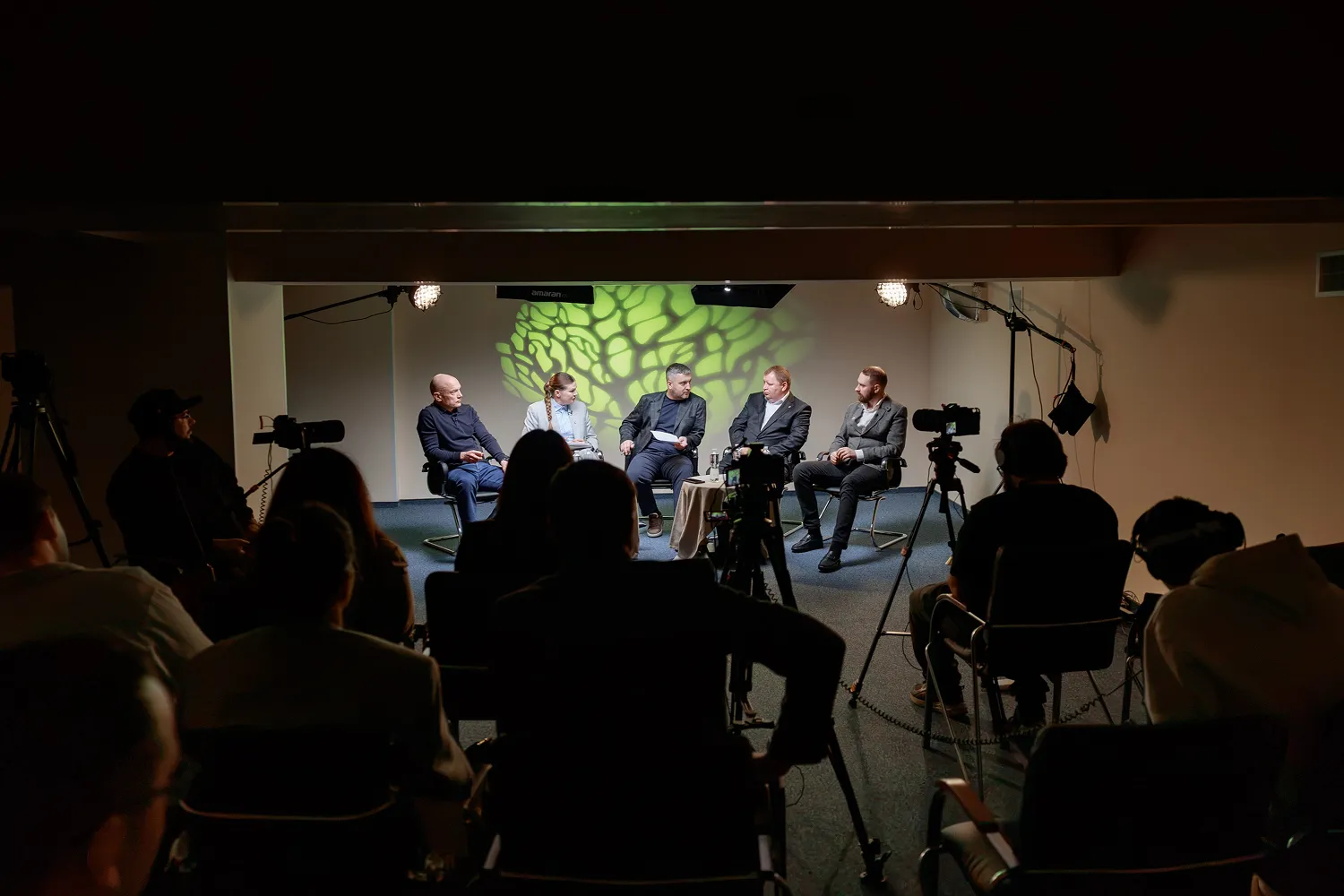
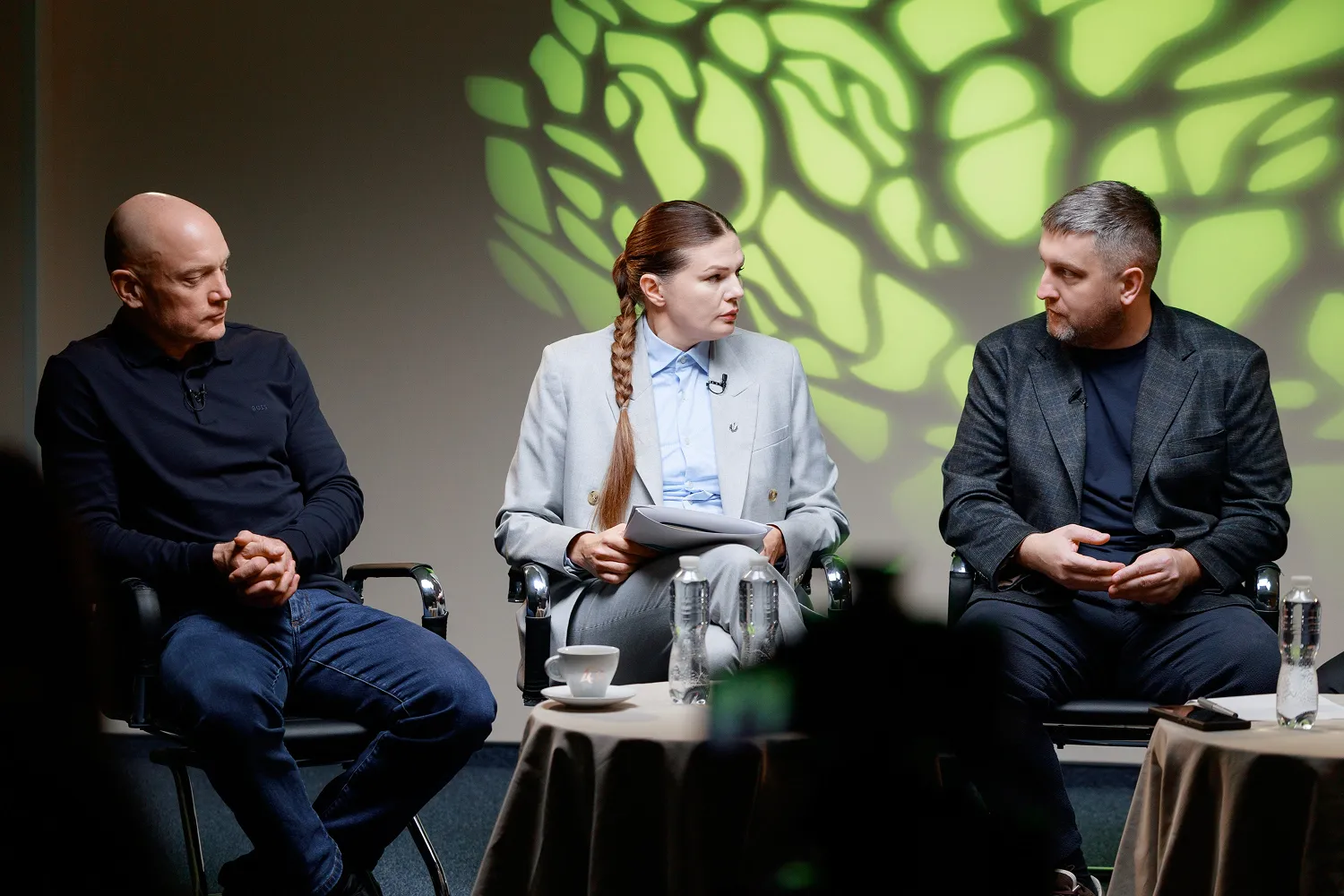
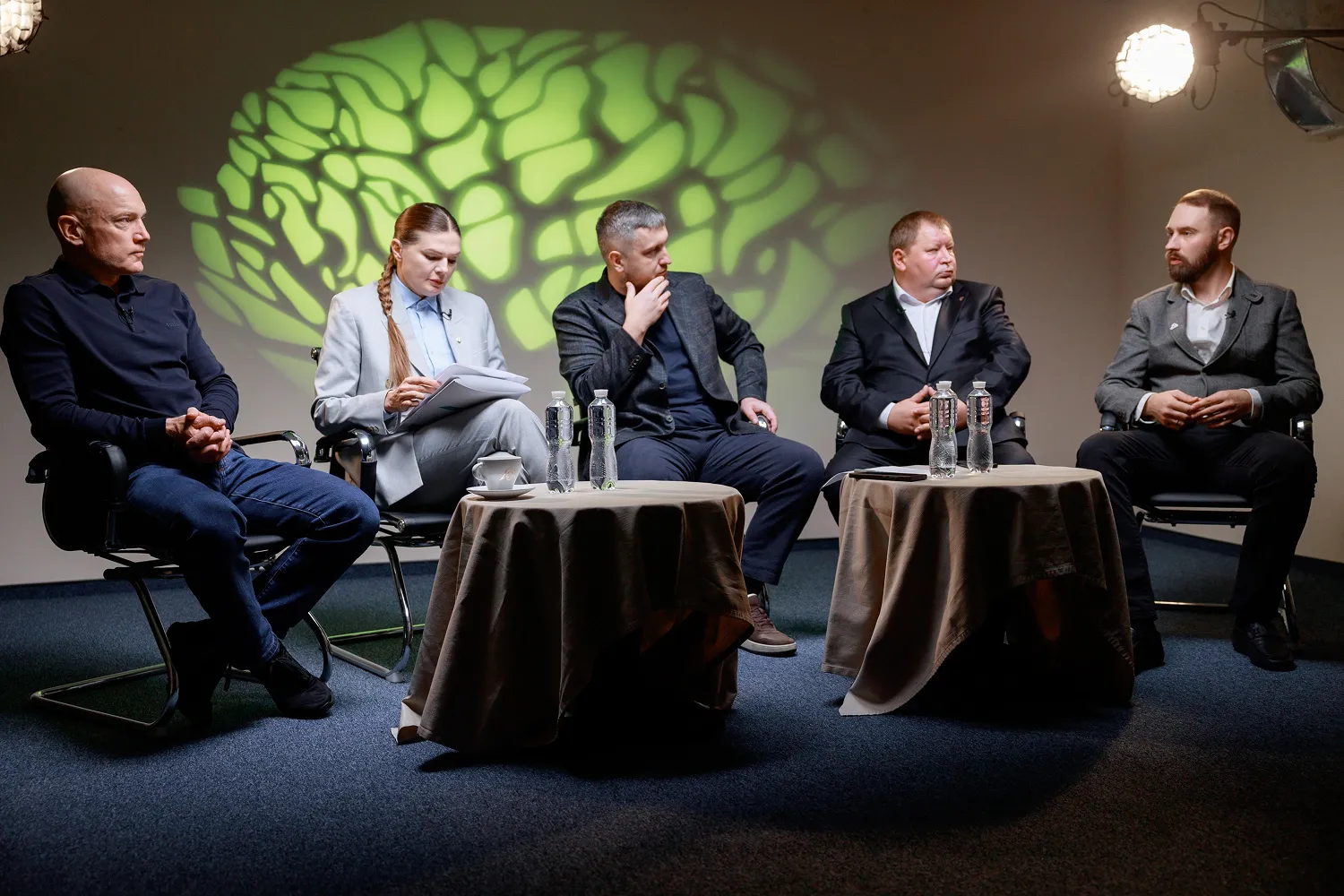
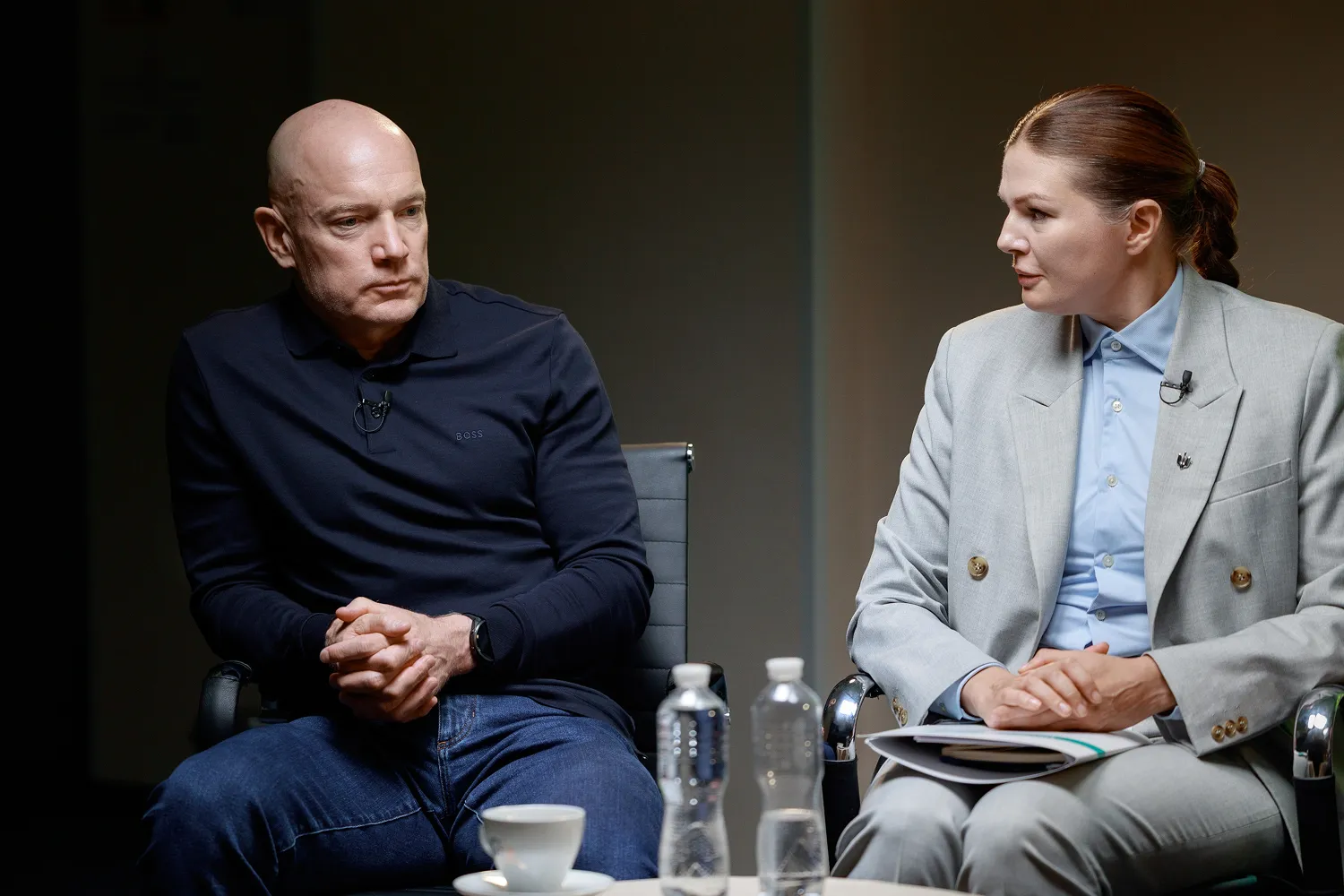
On 13 October, Ekonomichna Pravda (EP) and Bukovel held a joint roundtable in support of Ukrainian businesses. EP Editor-in-Chief Mykola Maksymchuk was joined by representatives of Bukovel (Bohdan Krasavtsev, Head of Bukovel's Sustainable Development Office), the government (Maryna Khlystun, Executive Director of UkraineInvest), local communities (Andrii Deliatynchuk, Head of the Yasinia hromada neighbouring Bukovel) and private capital (Tomáš Fiala, CEO of the Ukrainian investment company Dragon Capital). The discussion covered business expansion, the impact of investment on hromada development and sustainable development as an investment strategy. [A hromada is an administrative unit designating a village, several villages, or a town, and their adjacent territories – ed.]
A separate part of the discussion focused on Bukovel as a case study. The participants examined the investment decisions that have helped it become a prominent economic centre and the resort's plans for further development.
Bohdan Krasavtsev, Head of Bukovel's Sustainable Development Office, said that any sustainable development effort begins with an audit. "For businesses, sustainable development is about answering the question: 'What are we building for the future?' It is built around three ESG components: environmental (impact on the environment), social (impact on employees and local communities), and governance (corporate governance, which starts within the company itself and encompasses transparency, reporting and digitalisation)," Krasavtsev said.
According to Deliatynchuk, sustainable development for the Yasinia hromada means supporting entrepreneurship first and foremost, as well as attracting investment and innovation. The approach aims to develop tourism and recreation facilities, safeguard cultural heritage and the environment, and strengthen the hromada's financial capacity.
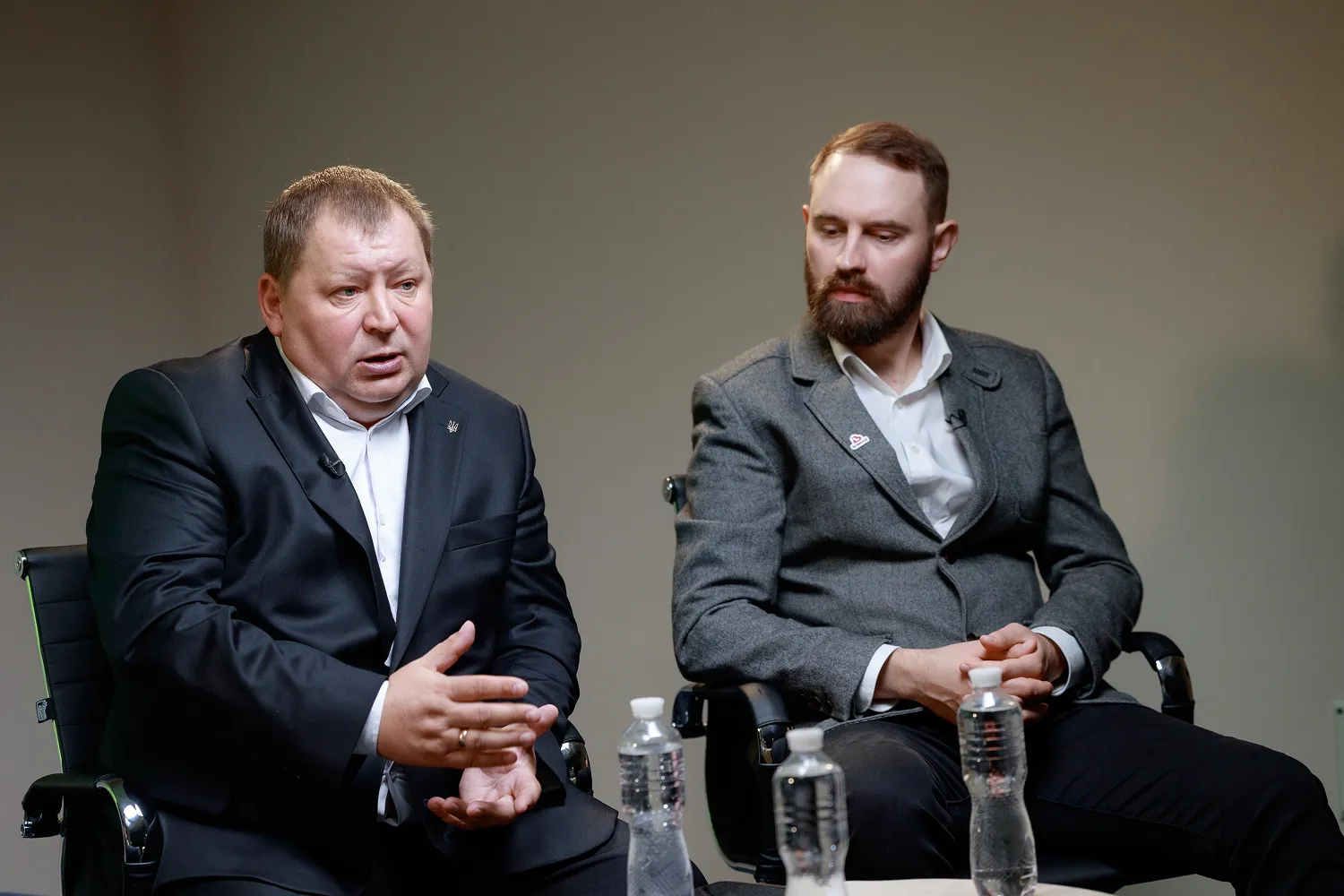
From an investor's perspective, Dragon Capital CEO Tomáš Fiala likened sustainable development to a marathon. He said it entails making long-term investments that should benefit both the hromada and Ukraine's economy as a whole, paying taxes in full and supporting the military during the full-scale war.
He also highlighted the importance of the social dimension: job creation and support for educational initiatives, sport and culture.
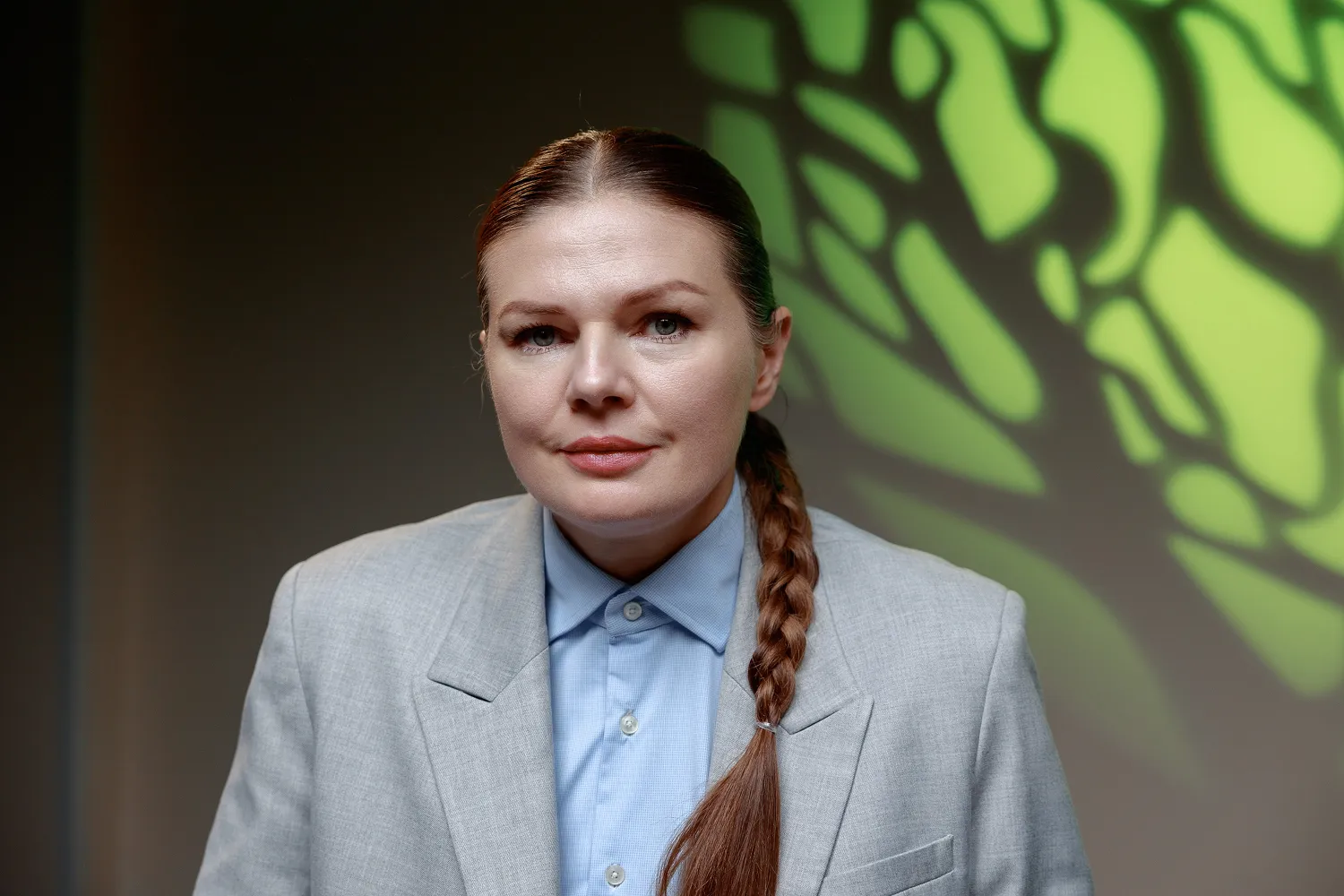
"Sustainable development is a model of development that allows society to progress without harming future generations," said UkraineInvest Executive Director Maryna Khlystun.
She said sustainable development rests on three key pillars.
Economic growth that creates jobs and involves internally displaced people and veterans while avoiding harm to hromadas;
Social equality, so that development does not lead to disparities in living standards between hromadas, particularly where artificial intelligence is used extensively;
Environmental protection, which involves assessing how long natural resources will last, conserving them and using them wisely.
Tomáš Fiala said Dragon Capital applies ESG criteria when making investment decisions.
"When we consider a new project, we conduct financial and legal due diligence as well as an independent ESG review. We examine whether the business has a positive impact on the environment, society and the community as a whole. If a project fails that review, we cannot invest in it, regardless of its profitability," Fiala explained.
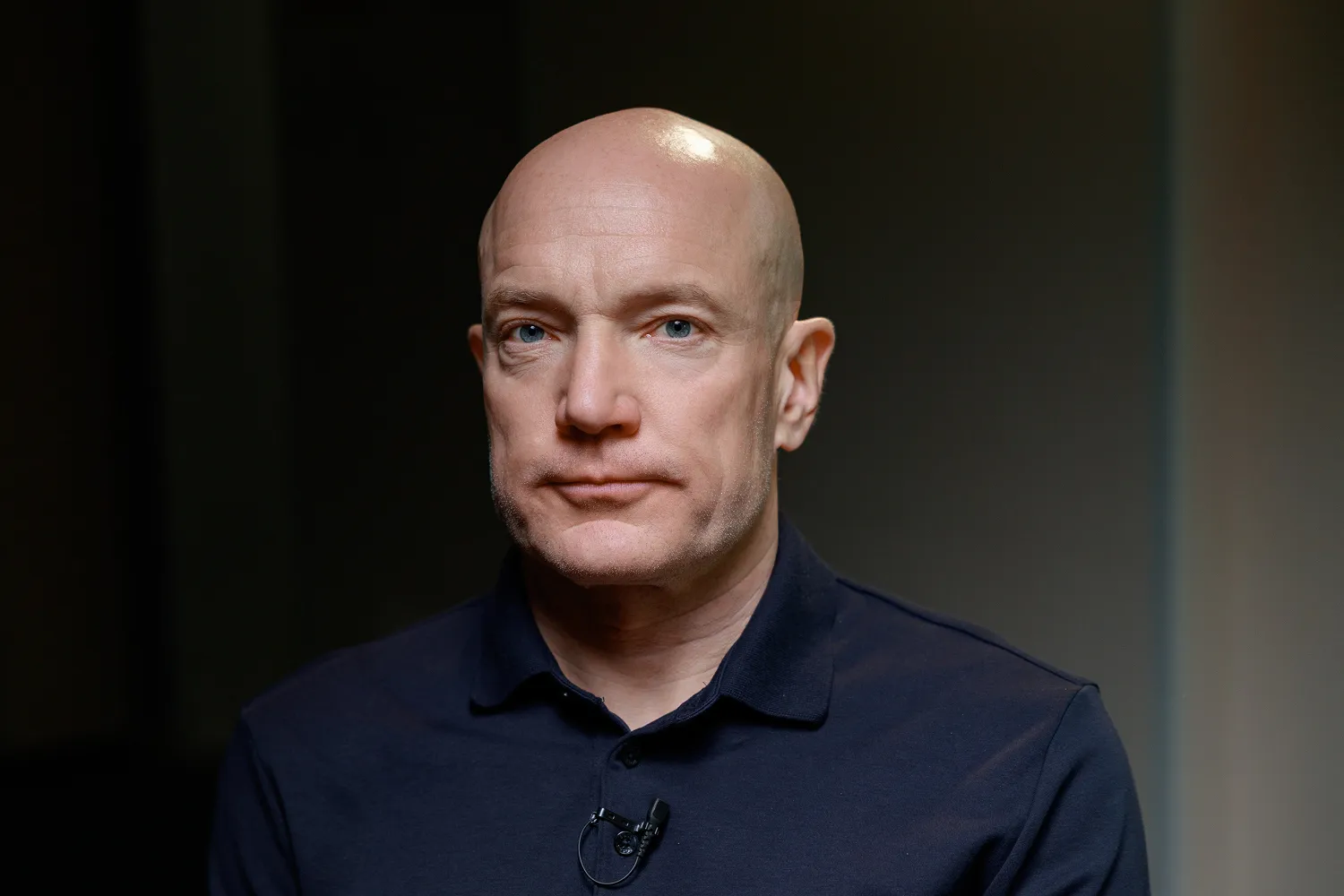
Andrii Deliatynchuk stressed that each hromada should have its own rules for approving business projects.
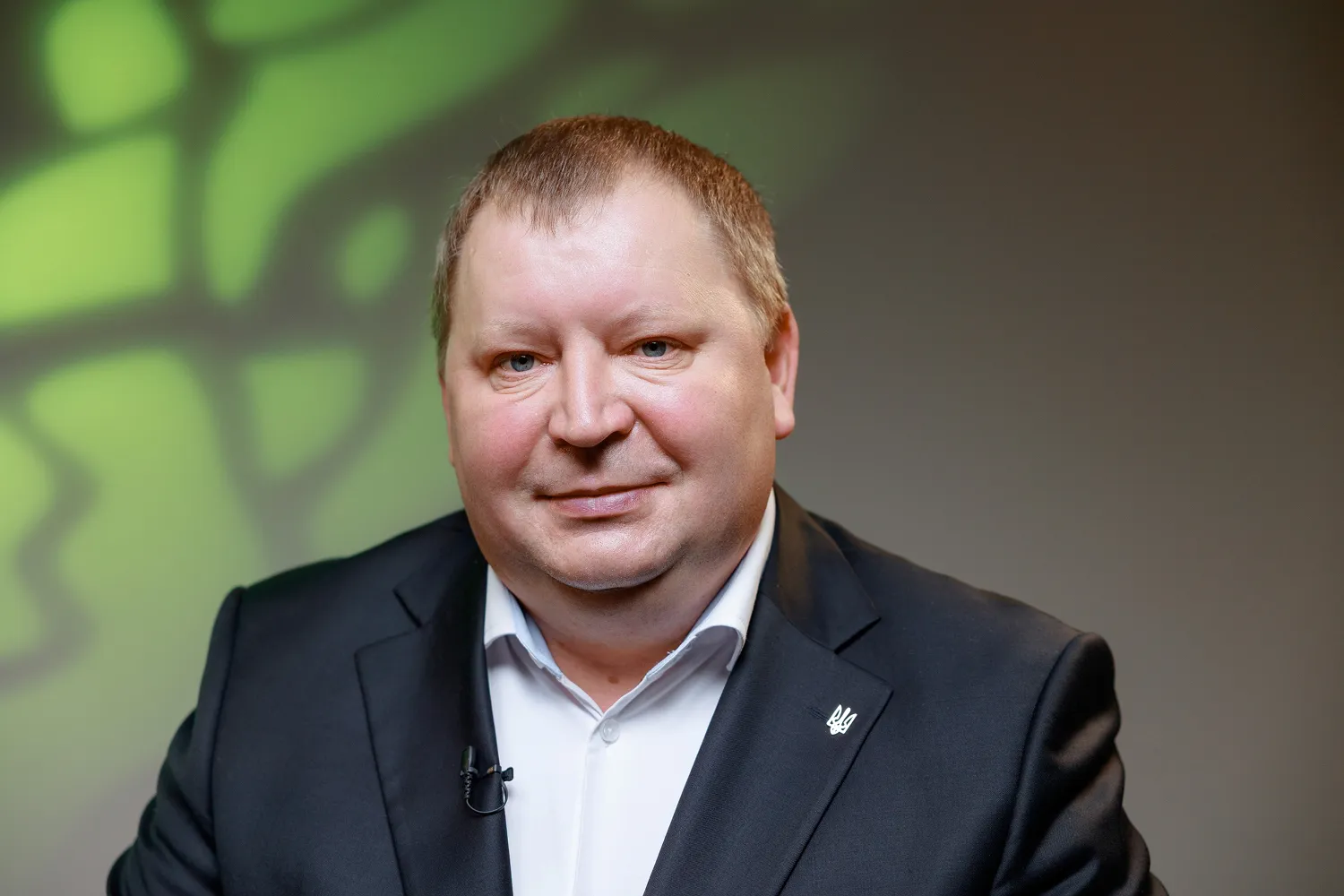
"The first set of rules is the hromada's development strategy. It is, you might say, the bible that sets the direction for the hromada's future development. The document should answer the questions 'What kind of community will we be in five to ten years?' and 'What do we want to do?' For our hromada, the priority is tourism and recreation," Deliatynchuk said.
"The second set of rules for the hromada is the comprehensive spatial development plan. It answers the question 'Where do we want to do it?' The plan should establish clear safeguards to prevent an irresponsible investor from, for example, polluting a river," he added.
Maryna Khlystun said UkraineInvest assists investors applying for various forms of state support. "In particular, there is a support programme for large-scale investors, covering projects with capital investment exceeding €12 million that must be implemented within five years. The investing company receives compensation equivalent to 30% of its capital expenditure. This support is available in various forms and must be used during the term of the special investment agreement," Khlystun explained.
Khlystun cited Bukovel as one successful example, saying the resort secured €20 million in investment for a project.
Bohdan Krasavtsev said the project in question is Mavka, Ukraine's largest indoor water park, which covers 18,000 sq m.
"More jobs have been created than initially planned. The water park now employs more than 120 people. Their pay exceeds the level set out in the agreement with the government and is 15% above the regional average," he said.
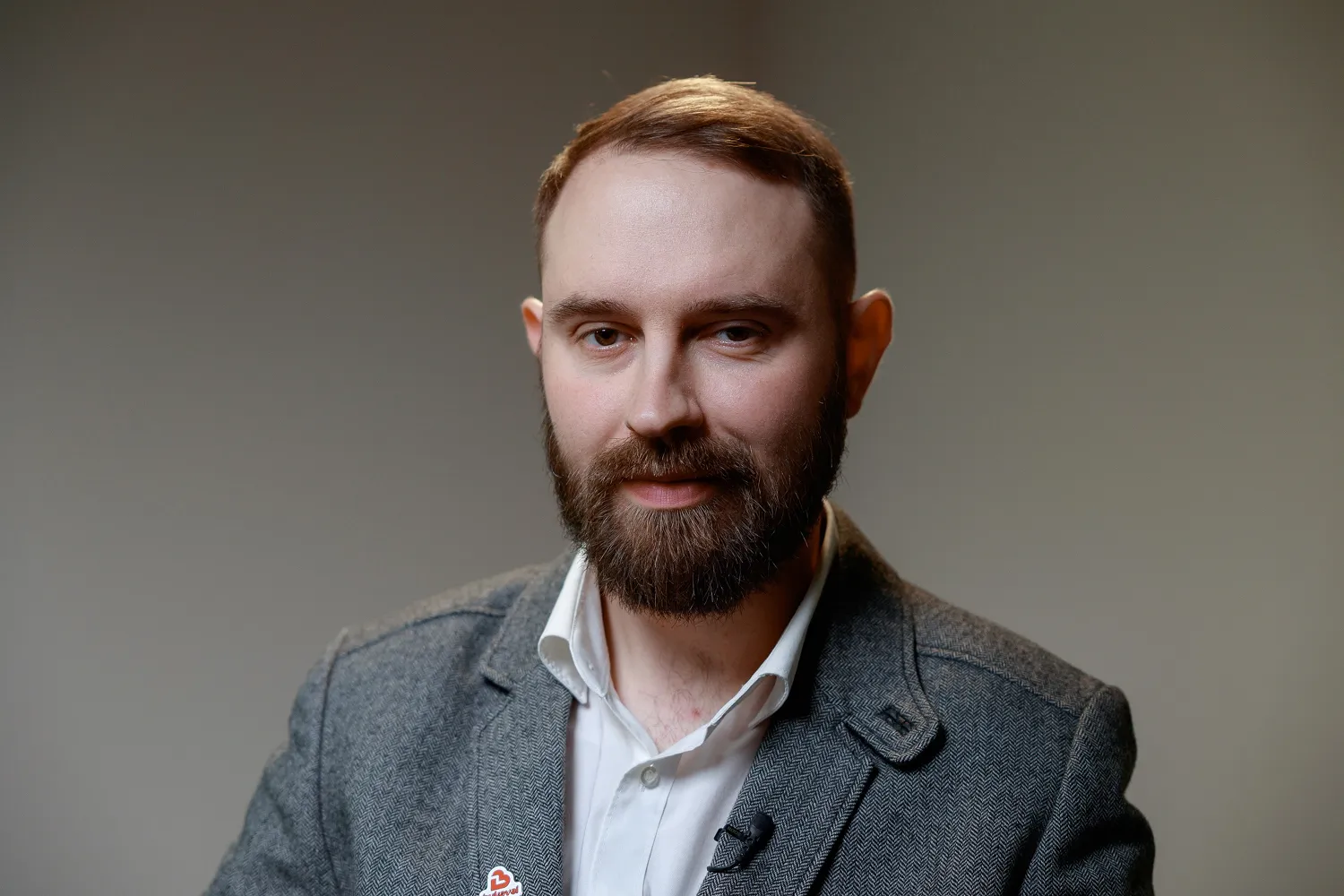
Every major Bukovel project, such as the Mavka water park, is subject to an environmental impact assessment, Bohdan Krasavtsev said. He noted that it is now impossible to build anything on that scale without assessing its impact on the natural environment.
"The water park uses modern water-saving systems with high-capacity filters. As an ecosystem, Bukovel assesses its impact using qualitative and quantitative indicators for waste, water, energy and air quality. We have also introduced waste sorting and have sent more than 4 tonnes of paper and over 400 kg of plastic for recycling," he added.
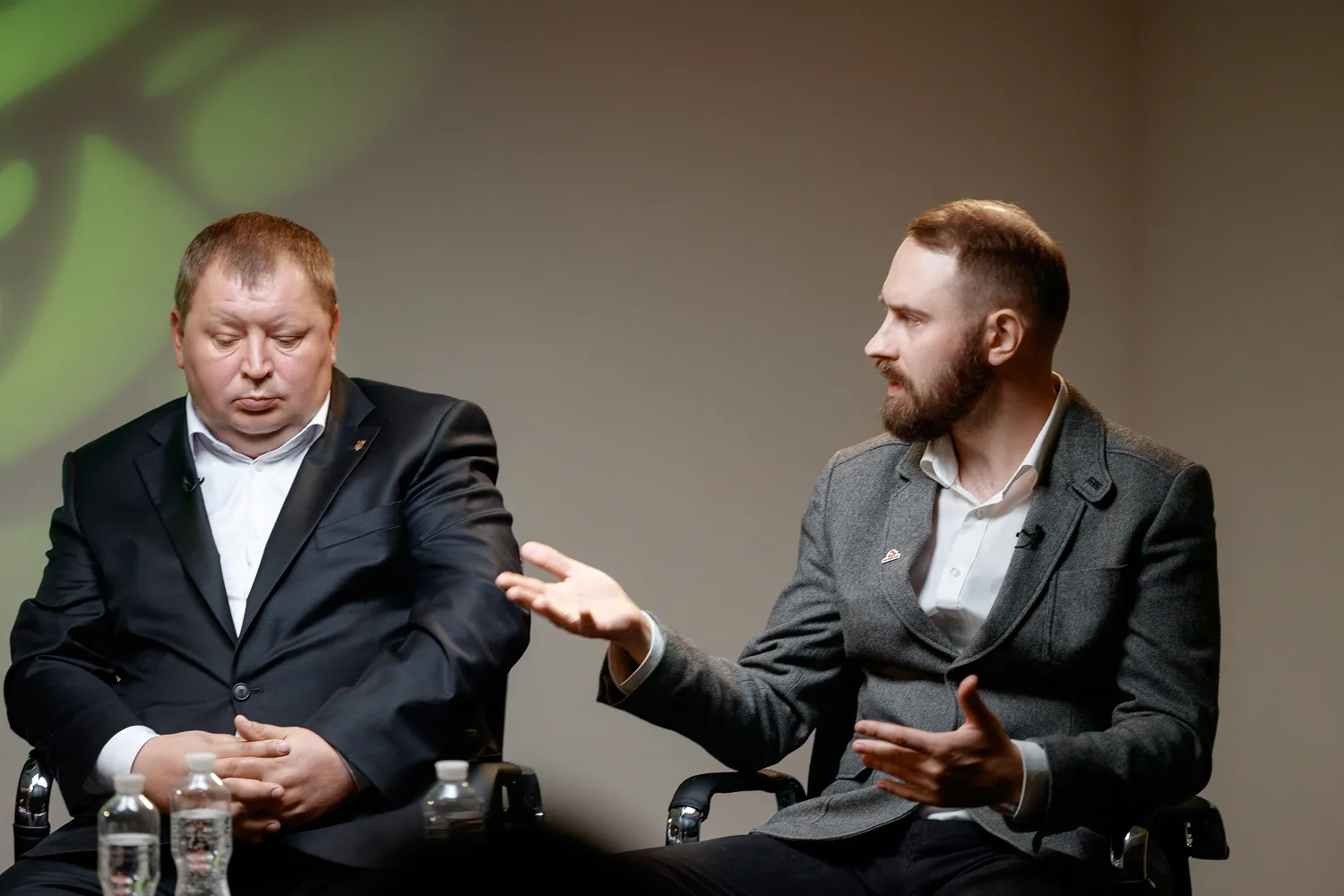
Krasavtsev said a shortage of wastewater treatment facilities is a major challenge for Polianytsia, a village near the Bukovel complex. The company has taken the initiative to have new facilities built there. "This is genuinely important to us. We cannot simply fence off the complex and say 'Everything is fine on this side, and everything is bad on the other.' We also have a responsibility to the hromada," Krasavtsev said.
He also identified climate change as a major challenge. Bukovel sees less snow than it used to, even though overall precipitation is still relatively high. In those conditions, developing Bukovel as a year-round destination has proved a sound strategy and enabled the resort to diversify its revenue streams. "Winter is now one part of what Bukovel offers. The resort is a destination 365 days a year," Krasavtsev said.
UkraineInvest Executive Director Maryna Khlystun said investment projects are assessed in several areas – operational feasibility and access to resources, financial viability, commercial attractiveness and social and economic impact. Sustainable development objectives and compliance with standards must be considered across all four areas.
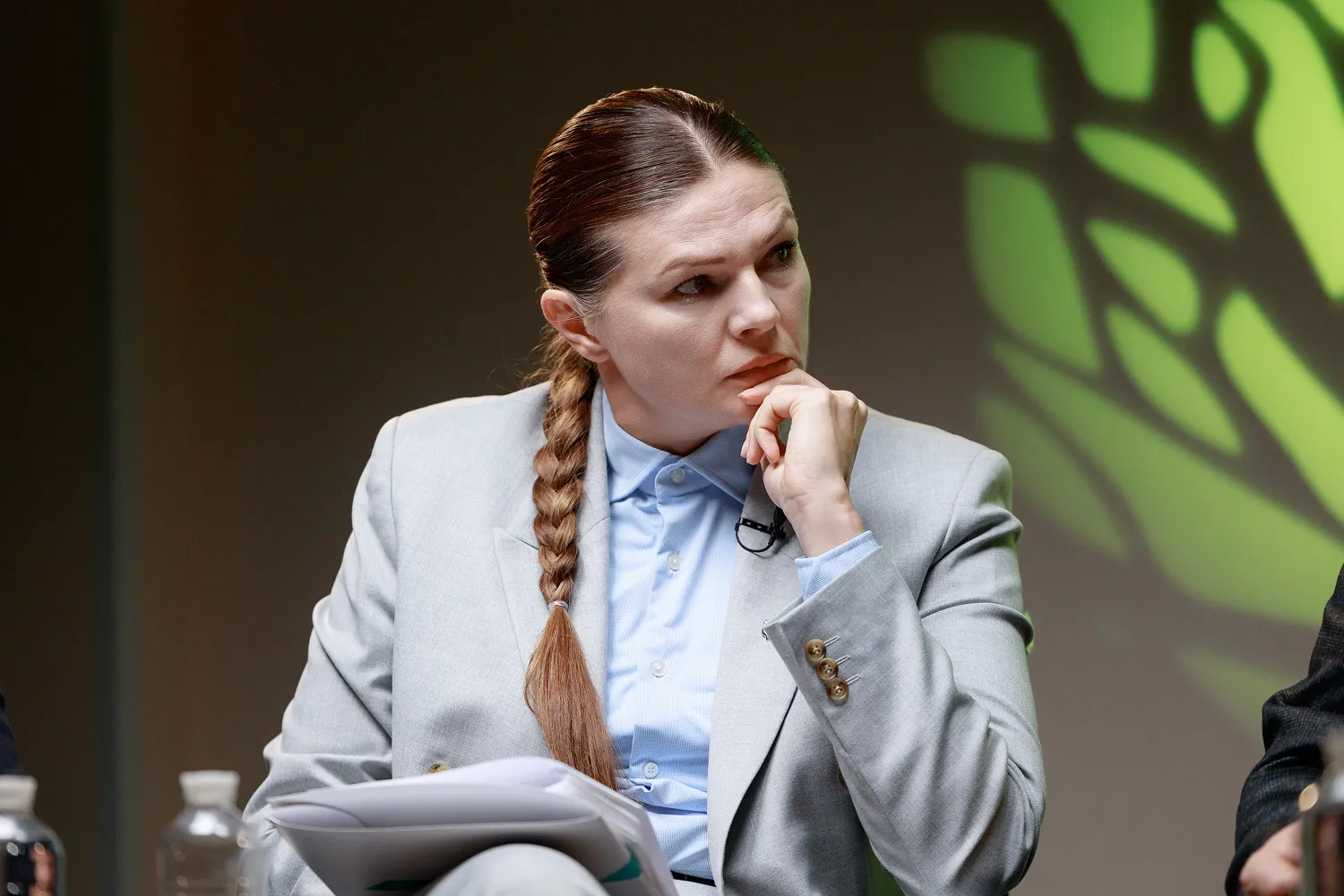
Khlystun added that around 100 projects in UkraineInvest's portfolio could qualify for the significant investment programme. That means the projects have been assessed in terms of job creation and their impact on infrastructure. She said further work is needed on supply chains and on how to involve small and medium-sized businesses.
At the Carpathian Eight summit in September, Bukovel presented plans for the Bukolend amusement park. "It will be something like Disneyland. We recognise that increasing numbers of our guests are visiting with their families and that there is a need for a large-scale attraction for children. We are actively seeking partners," Bohdan Krasavtsev said.

Tomáš Fiala said that before the full-scale war, Dragon Capital had received an enquiry from a major Central European investment group about investing in the tourism and recreation sector. That interest disappeared when the war began and has yet to return.
He added that investors who had no presence in Ukraine before 2022 are reluctant to commit capital because of security risks. "Those investing today are mainly Ukrainian companies and international investors that were already operating in Ukraine before the full-scale war," Fiala said.
Up to 5,000 people work at the resort during the peak summer and winter seasons. "For the region as a whole, the figure is up to 20,000 jobs. Bukovel is also one of the largest taxpayers in Ivano-Frankivsk Oblast. Since 2025, we have paid nearly UAH 800 million [US$17.6 million] in taxes," Bohdan Krasavtsev said.
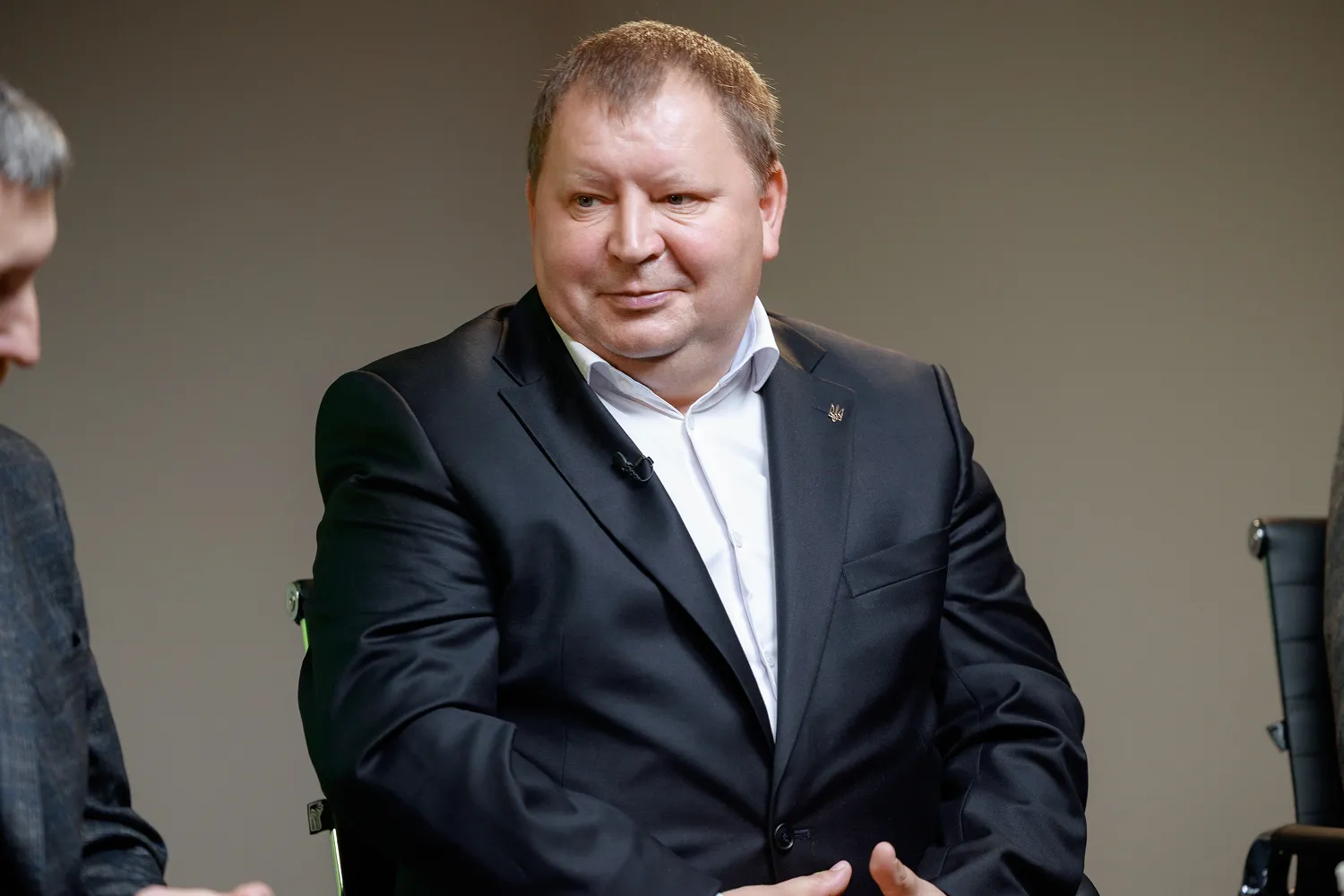
According to Andrii Deliatynchuk, the Yasinia hromada, known for Mount Petros, Mount Hoverla and the Drahobrat resort, now has nearly 20,000 residents. Some of them work permanently to maintain Bukovel's infrastructure.
"We look at our neighbours in the Polianytsia hromada with a touch of envy. After all, they collect UAH 30-40 million [US$660,000-880,000] a year from the tourist levy alone, compared with up to UAH 1.5 million [US$33,000] in our hromada. Jobs and tax revenue underpin prosperity and infrastructure development. So investment is vital for hromadas in the high mountains," he added.
In addition to Bukovel itself, he highlighted the Kryla Karpat resort village, which is already under construction, as a major investment project for the hromada.
Maryna Khlystun added that a project to develop recreation areas and establish rehabilitation centres for veterans could be undertaken in the Yasinia hromada.
In Bohdan Krasavtsev's view, the priority is sustained dialogue between business and government and between businesses and the public. He said close cooperation among businesses, government and society was essential.
Andrii Deliatynchuk stressed that the state should coordinate the process and establish limits and safeguards. Hromadas, in turn, should determine their own development strategies.
Tomáš Fiala identified four priorities. The first is security, which affects whether businesses decide to invest during the full-scale war. The second covers macroeconomic stability and responsible fiscal and budgetary policy. "The government has made progress in this area, given the difficult conditions over the past four years," he acknowledged.
The third priority is strengthening the rule of law. Fiala said Ukraine still has "a lot of homework" to do so that investors feel better protected.
The fourth factor is the pace at which Ukraine is moving towards the European Union. "I would like Ukraine to meet the requirements for obtaining funding and for opening and closing negotiating clusters, and to advance towards the EU at least as quickly as the countries that are both our competitors and our partners in the accession process – Montenegro, Albania and Moldova," Fiala said.