Rockets and drones from the lab: how to build a bridge between Ukrainian science and weapons production


The Oplot tank, the BTR-4 armoured personnel carrier, the Zenit space launch vehicle and the legendary Mriia and Ruslan aircraft were all developed within a unified Ukrainian scientific and industrial ecosystem, involving thousands of specialists.
However, Ukraine’s scientific sector has been largely declining over the past few decades. Chronic underfunding, a lack of coherent state policy on science and innovation and the gradual ageing of specialists have all hindered technological development and its transition into production.
Scientific institutions have remained as bureaucratic as they were in the last century, still geared toward a planned economy, while no effective conditions have been established for cooperation with business. As a result, several institutes housing unique experimental and production equipment have simply collapsed.
As a result, dozens – if not hundreds – of innovations gradually leaked abroad for a song. Such activity helped institutes survive and retain their core teams, although real development under these conditions was impossible.
Before the full-scale Russian invasion, Ukrainian science continued more out of inertia, operating within narrow boundaries. Even so, unique innovations and skilled minds have kept it competitive in several strategic fields. Expertise in areas such as physics, materials science, metals and alloys research, welding and rocket technology has made scientists indispensable to firms like Motor Sich, Antonov, Zoria-Mashproekt, the Pivdenne Design Bureau, and the Malyshev Plant.
Meanwhile, Ukrainian science is struggling to keep pace in more fast-moving fields such as uncrewed aerial vehicles, robotics, artificial intelligence and drone components. In a sector where technology evolves every six – or even every three – months, it is difficult for researchers without strong ties to industry and the military to remain relevant.
Many R&D teams currently advancing unmanned technology or developing electronic warfare systems were educated in or previously worked within Ukrainian science. However, due to red tape, low salaries and an inability to commercialise their own developments, these experts left institutes and universities to start their own companies. As a result, scientific institutions and the state lost both money and development prospects.
With no time for bureaucratic hurdles, the defence sector finds it much easier to collaborate directly with private companies. When immediate innovation is crucial, this model is clearly the best option.
However, much of the experimental and computing power for truly complex defence technology projects remains within state institutions and universities. Therefore, closer collaboration between scientific research and industry is essential for arms production today.
Ukrainian lawmakers have spent decades trying to pass effective legislation to promote innovation and boost investment in science. However, so far, businesses have had to resort to semi-legal methods to access developments from state-funded research independently.
Why is the system performing poorly?
Ukraine inherited a powerful scientific and research infrastructure from the Soviet era, comprising scientific research institutes with specialised design and engineering bureaus, scientific and production facilities, and experimental plants. This system could produce developments within a planned economy, though it was neither very flexible nor efficient.
It consisted of four levels. The first level consisted of institutes that developed the theoretical basis for practical research.
The second level comprised research institutions focused on studying physical materials and their properties. These institutions typically maintained small-scale production facilities alongside experimental equipment to demonstrate their products.
The third level comprised industry-specific research and production facilities or design bureaus that manufactured finished products (such as circuit boards or devices for the aviation industry) and possessed a substantial R&D capacity focused on continuous product improvement.
The fourth level was the mass production plant, which was responsible for manufacturing proved and reliable technologies on a large scale.
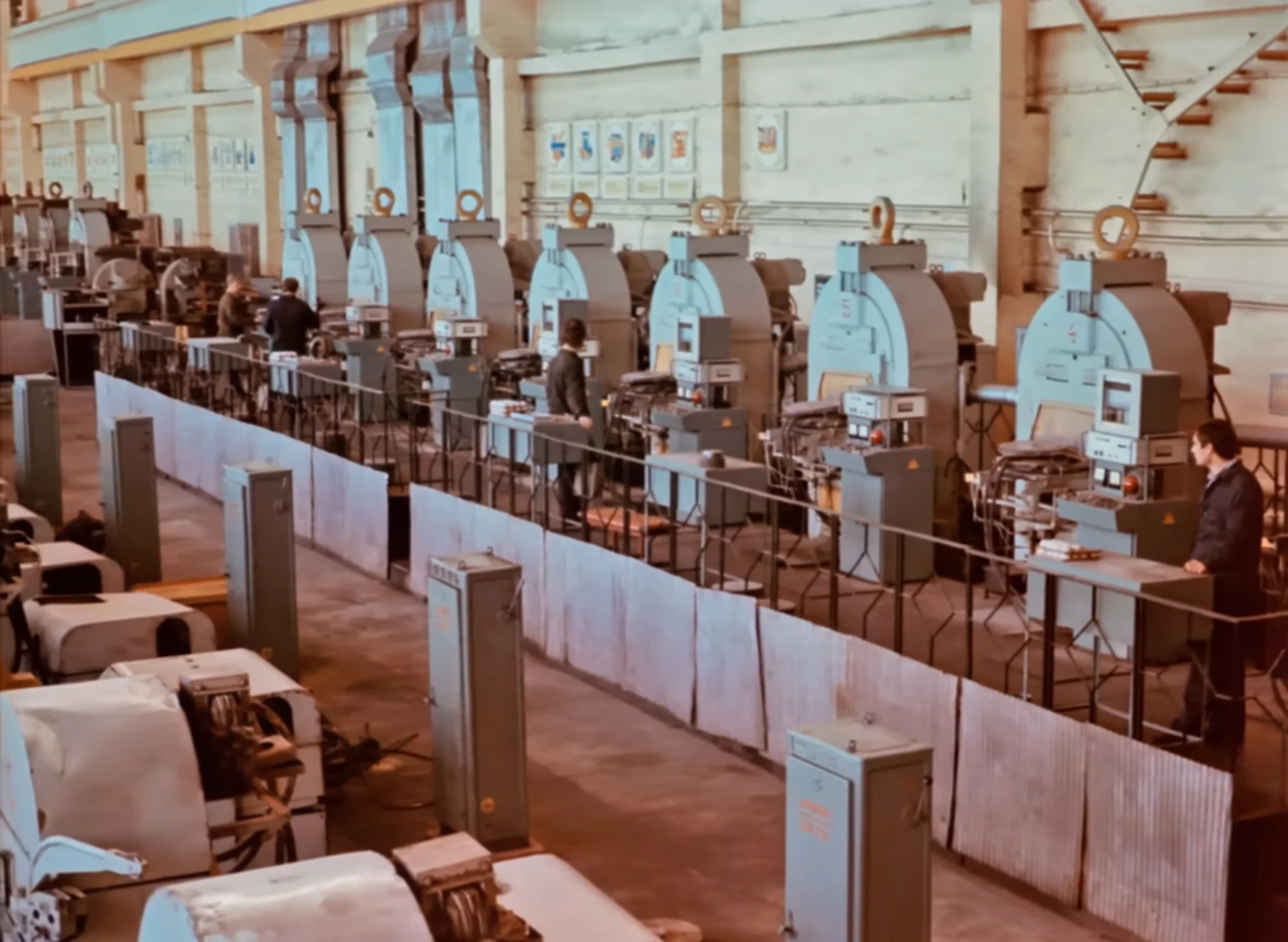
This system was centrally managed, involving both industry ministries and the Academy of Sciences. The ministries issued orders for science based on their needs and oversaw their fulfillment.
However, the system broke down due to the collapse of the planned economy and the disappearance of state orders, followed by the privatisation of many plants. The third link in the chain – research and development institutions – was hit hardest. As cooperation networks disintegrated, there was no longer anyone to supply products to. The main clients for design work also vanished.
The microelectronics industry is the most striking example. In 1990, nearly 200,000 specialised personnel worked in this sector in Ukraine alone. By 2020, that number had fallen to just over a thousand.

One consequence of this collapse is the need to purchase components for weapons from China. Even if Ukraine had managed to preserve its industry, its components would likely struggle to compete globally. However, the country would now have a far more robust foundation for developing its own electronics.
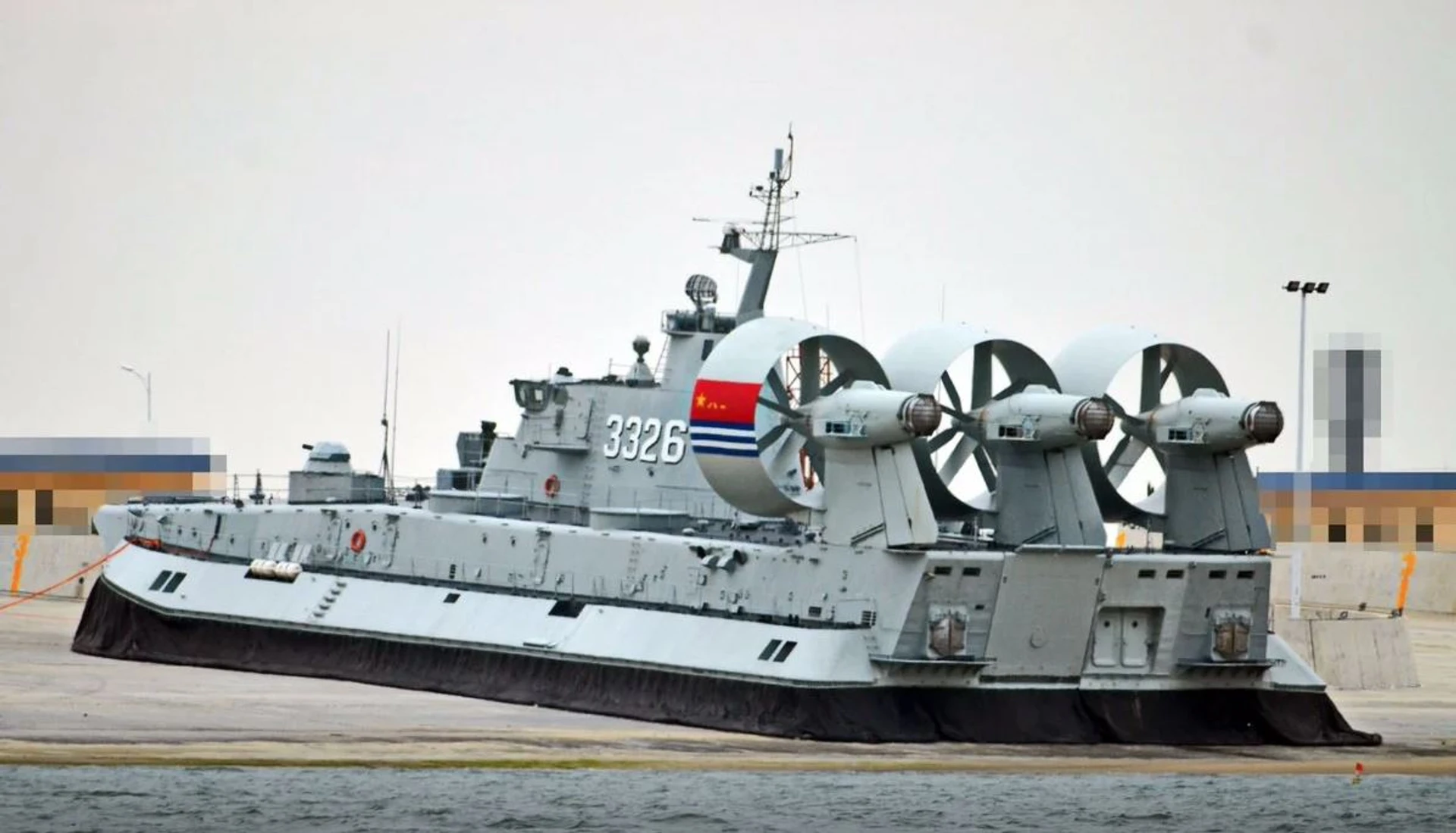
In the 1970s, NASA developed a scale of Technology Readiness Levels (TRLs), comprising ten stages. TRL-1 and TRL-2 represent the initial formulation of a technological concept, while TRL-10 indicates that the technology has been proved to meet its intended objectives and is in successful use.
The problem is that Ukrainian science is limited to working up to TRL-4, which corresponds to laboratory testing. Industry research and development institutions are meant to handle the next stages of technological readiness, involving prototype development and trial production. However, this link in the chain is now almost entirely missing.
Businesses are largely unwilling to invest in scientific research, particularly in state institutions that are unable to conduct effective economic activities. Entrepreneurs are deterred by the constant risk of audits in state science, which can completely halt research. Another issue is procurement – public tenders through Prozorro, Ukraine’s transparent procurement system, are time-consuming and delay product readiness. Add to this the time required for testing, and the entire process can take several years. The technology will simply become obsolete by the time testing is completed.
Hence the private sector tends to engage sole proprietors. It is common practice for a scientist working within a research institution to conduct calculations, produce analytical work, or even develop products, earning fees personally. The institution is effectively excluded from this collaboration and does not invest in development.
"If a scientist does not have a finished product that can be sold immediately, they have no justification for their work to the state," Oleksandra Antoniuk, chair of the Scientific Committee of the National Council of Ukraine for Science and Technology Development, told Oboronka, a defence industry project by Mezha Media (a technology and IT news platform within Ukrainska Pravda's holding company).
"TRL levels 5 and 6 are the most labour-intensive," she added. "We need not just one laboratory sample, but many more prototypes that can demonstrate results under real conditions. This requires more materials and longer experiments, including payment for working hours. Yet no one wants to fund this. This stage is known as the ‘valley of death’ in development. Business is not yet ready to finance it because it’s costly and they don’t see how to recoup their investment. That’s natural for business, as it involves risk."
State-run science is falling behind in terms of battlefield needs, prompting businesses to create their own R&D teams in-house, according to Denys Sviatokum, chairman of the board of the Ukrainian Dual Technology Cluster. "Scientists can develop great solutions, but it takes too long. We don’t have that time. And by tomorrow, no one will be interested anymore, because technology must be constantly modernised," he said in a conversation with Oboronka.
However, state science remains strong in many strategically important areas of the defence industry. Dozens of institutions are involved in implementing the missile programme and producing armoured vehicles, artillery systems and ammunition. Last year, Ukrainian scientists were honoured with the Boris Paton National Prize for their developments, including in defence.

What should be done?
Similar challenges were tackled in the West decades ago. In the early 1950s, Stanford University in California established a science park where private companies could work with local equipment and involve students and teaching staff in research, fostering innovative ideas and their development. Over time, Stanford’s science park helped spark the growth of Silicon Valley, which has become an innovation hub not only for the United States but for the entire world.
The science park model allowed the pooling of scientific ideas and research resources and brought capital to universities. By investing in the science park as a co-owner, businesses gain access to technology, while the university operates in an unbureaucratic system and commercialises its own developments. This model proved so successful that it was quickly scaled up in the United States and later in Europe.

Ukraine aimed to replicate this experience. In 2006, a law was passed establishing the Kyiv Polytechnic Science Park, and three years later, the Ukrainian parliament approved a universal law on science parks. According to the Ministry of Education and Science, 49 science parks are currently registered in Ukraine. Still, a source from the ministry told Oboronka that it would be encouraging if at least three of them were functioning effectively.
The cooperation model between science and business in a science park should promote innovation and technology development. A private defence company seeking technology for producing alloys for equipment or UAV-based landmine detection devices could then act as a customer or partner with a research institute within a science park to jointly develop this technology. Such a model would be understandable to all participants.
"Defence companies have money today," said Yurii Yekhanurov, head of the Institute of Advanced Defence Technologies at Ihor Sikorskyi Kyiv Polytechnic Institute (KPI), on the Security Talks programme. "The only issue is proper cooperation. (...) This year, KPI's officially commissioned capacity (the equipment and staff), I mean, what we've received from the state customer, amounts to only about 15% of what we are actually capable of."
"In Ukraine, there is no business culture of ordering development scenarios even from Ukrainian think tanks," said Volodymyr Buhrov, Rector of Taras Shevchenko National University of Kyiv, in a comment to Oboronka. "Yet there are plenty of such institutions in the country. I know quite a few examples where Ukrainian businesses have commissioned research from foreign organisations. In my view, this is wrong, because Ukrainian science and education are strong enough."
Science City and new science parks
The Ukrainian government plans to tackle these issues through the Science City project, which will lift legal barriers preventing existing science parks from operating effectively.
The project was first announced by Mykhailo Fedorov, Ukraine’s Minister of Digital Transformation, in December 2024. The Ministry of Digital Transformation will be responsible for integrating science parks into the Diia.City legal regime, a special legal and tax framework designed to boost Ukraine’s tech sector and attract IT investment. Meanwhile, the Ministry of Education and Science will develop the relevant programmes and legislative framework.
As one of the project's co-authors, Deputy Minister of Education for Science and Innovation Development Denys Kurbatov, told Oboronka, the primary proposal is to exempt Science City residents from VAT and allow duty-free imports of research equipment, which is currently subject to taxation. In addition, private businesses will be able to rent premises from scientific institutions on preferential terms for joint projects with state science bodies.
Benefits will be granted to science parks that implement priority projects for the state's needs, such as the defence industry. To qualify, they must apply to the Ministry of Education and Science to register the project for support.
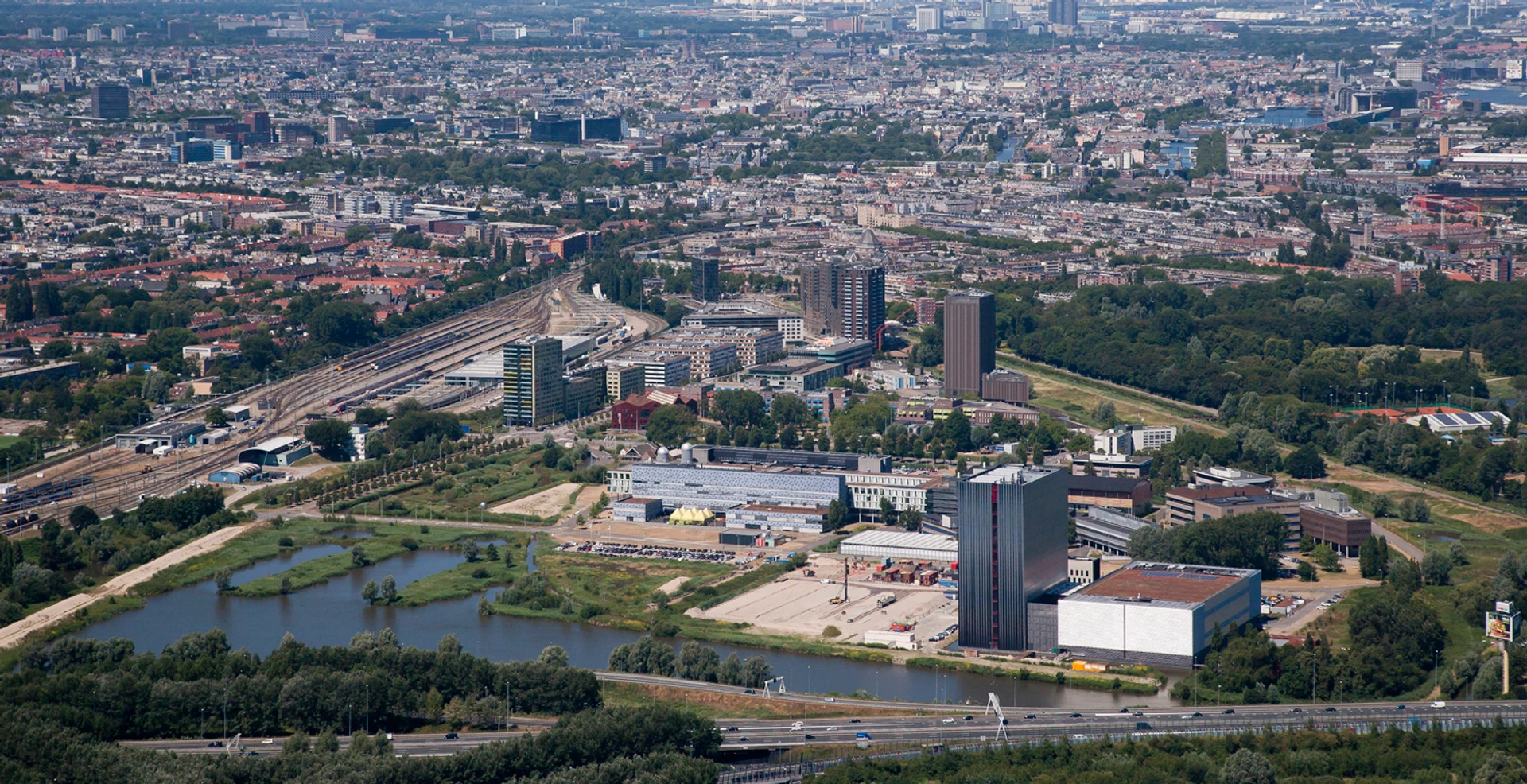
The Science City project imposes no restrictions on the form of ownership of a science park, provided that a state university or institute holds at least a 10% share. According to business representative Denys Sviatokum, establishing a park at a state institution with predominantly private capital is the model that will enable effective investment in defence and dual-use technology. Meanwhile, the university will receive clear and transparent royalties for the use of its intellectual property.
Ultimately, the project envisages that revenues from science parks will go directly to the universities and institutes themselves, rather than being absorbed by sole proprietors without benefiting the institutions.
One of the first science parks to operate under the Science City model will be a consortium based at the Kyiv Aviation Institute (KAI). It will specialise in developing solutions in deep tech, civilian UAVs, cybersecurity, artificial intelligence, machine learning, materials science and robotic systems.
This reform currently faces challenges due to government reshuffles, which could, if not entirely derail it, at least slow down its implementation. However, Kurbatov believes that since the reform was developed in partnership with Western allies and is strategic in nature, it is unlikely that anyone will oppose it.
As scientist Oleksii Kostenko aptly noted during a discussion on establishing a Ukrainian counterpart to the US Defense Advanced Research Projects Agency (DARPA), many technological solutions that were previously set aside now require careful reexamination. Today, numerous innovations in artificial intelligence and control systems could form the foundation of new developments led by a team of business leaders.
The science park model could serve as a kind of gateway for private defence companies to enter the scientific sphere, supported by clear rules and benefits for all involved. Meanwhile, the science park would act as a vital link, enabling state science to compete for investment and collaborate with others, thereby accelerating development. Ultimately, it would help eliminate inefficient spending on work that cannot be integrated into production.
Author: Vladyslav Khrystoforov
Translation: Artem Yakymyshyn
Editing: Susan McDonald