Odesa's cultural heritage ravaged in overnight Russian attack – photos

On the night of 23-24 July, Odesa was hit by a Russian drone attack which damaged the Pryvoz Market, the Vorontsov Palace, and the UNESCO-listed Prymorskyi Boulevard.
Source: Oleh Kiper, Head of Odesa Oblast State Administration; Odesa Mayor Hennadii Trukhanov; State Emergency Service of Odesa on Facebook
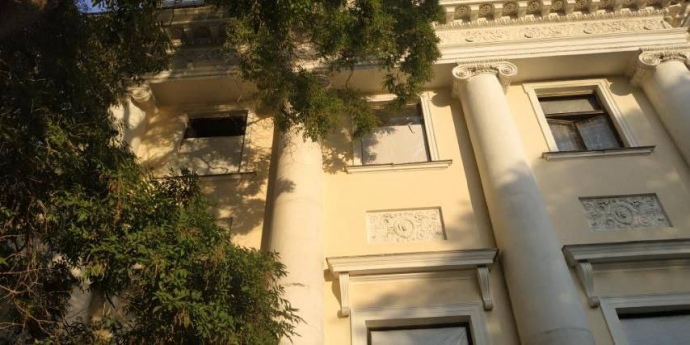
Details: Mayor Hennadii Trukhanov said the shockwave has damaged facades along Prymorskyi Boulevard. The damage caused to the Vorontsov Palace (now the City Palace for Children’s and Young People’s Creativity), an architectural gem from the early 19th century, includes 19 broken windows, three destroyed external doors, collapsed plaster in eight rooms, damage to two ancient lanterns, and a partially collapsed facade cornice.
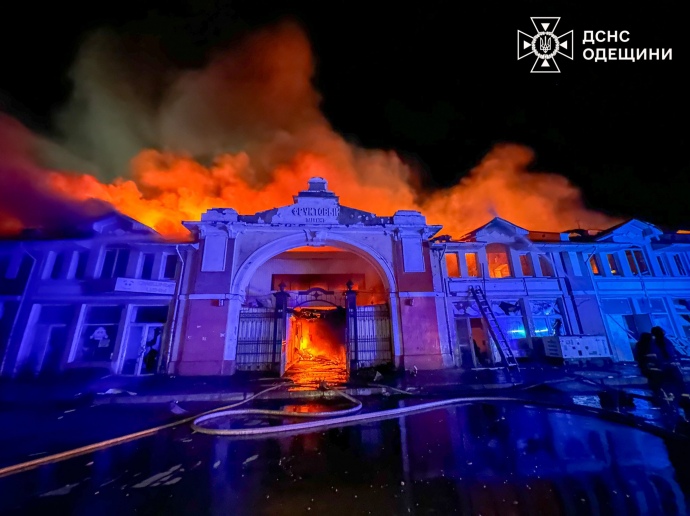
At the Pryvoz Market, the fruit pavilion buildings, which are also treasures of cultural heritage, have been badly affected. Drone wreckage is littered among the stalls, with people trying to salvage any goods that have survived intact.
History of the Pryvoz Market
The Pryvoz Market is on Oleksandrivskyi Avenue in Odesa’s historic centre. Its origins can be traced back to 1827, when people from the surrounding villages began arriving to sell their wares in the city.
Initially an open-air bazaar adjacent to the Old Market, it evolved in 1913 with the construction of a special "Fruit Passage", designed by Ukrainian architect Fedor Nestrukh.
The market underwent reconstruction in the late 1990s and new buildings were added. By 2007, meat and fish buildings, two office centres and a retail complex along Panteleimonivska Street – later dubbed the New Pryvoz shopping centre – had been completed.
One of the few times the market closed was in the early 20th century, when fire was used to eradicate rats living under the decks, which spread the plague.
Architectural heritage on Prymorskyi Boulevard
Photographs show the damage caused to an open-air museum on the boulevard, where artefacts from a 6th-5th century BCE Greek settlement excavated in 2008 are displayed beneath a glass dome.
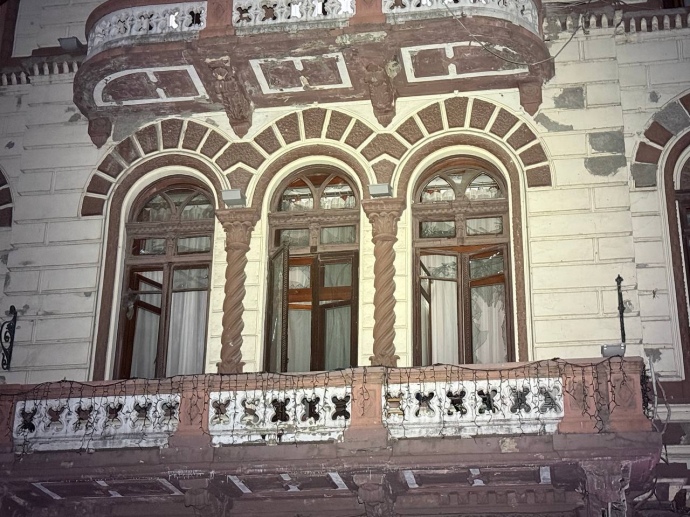
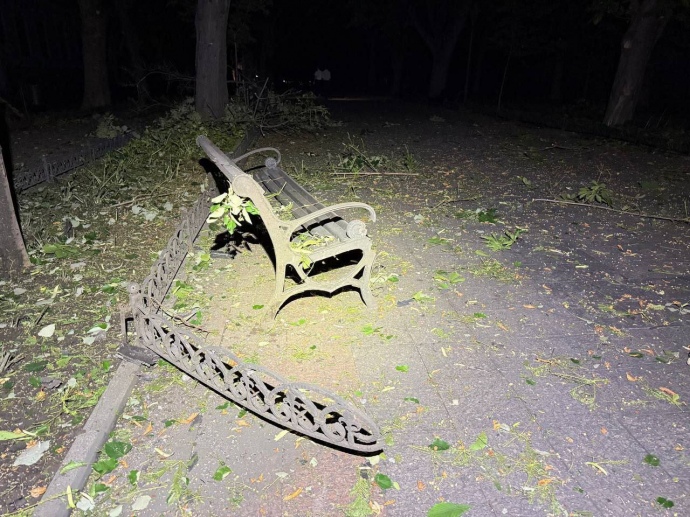
Benches and bins along the avenue were damaged and windows in nearby houses shattered.
The Prymorskyi Boulevard earned its UNESCO listing in January 2023. Located near the port, it is flanked on the other side by 19th-century houses.
The boulevard was originally named Novyi (New), then Prymorskyi (Seaside), then – after a Russo-Turkish war – Mykolayivskyi. It was renamed after the revolutionary Feldman in 1920. After World War II, it reverted to Prymorskyi.
The area is historically significant as the site of the Istrian Harbour, a Greek colony, and later the Ottoman Khadzhibey fortress, demolished by Russian troops in the 18th century.
Until 1820, the area remained vacant, but in 1822, a plan for the future boulevard designed by French architect Francois Chal was approved – a layout preserved to this day.
Support Ukrainska Pravda on Patreon!