A dying breed: can the Russians rebuild their strategic aircraft after Ukraine's Operation Spider's Web?


Since the start of the full-scale invasion, Ukraine had carried out several strikes on Russian strategic bombers and eye-wateringly expensive airborne early warning and control system (AWACS) aircraft, which are in extremely short supply.
Initially there seemed no point in analysing the consequences of these strikes, as Russia had enough Soviet-era aircraft in reserve to fight similar wars several times over. Each destroyed warplane was simply replaced with another.
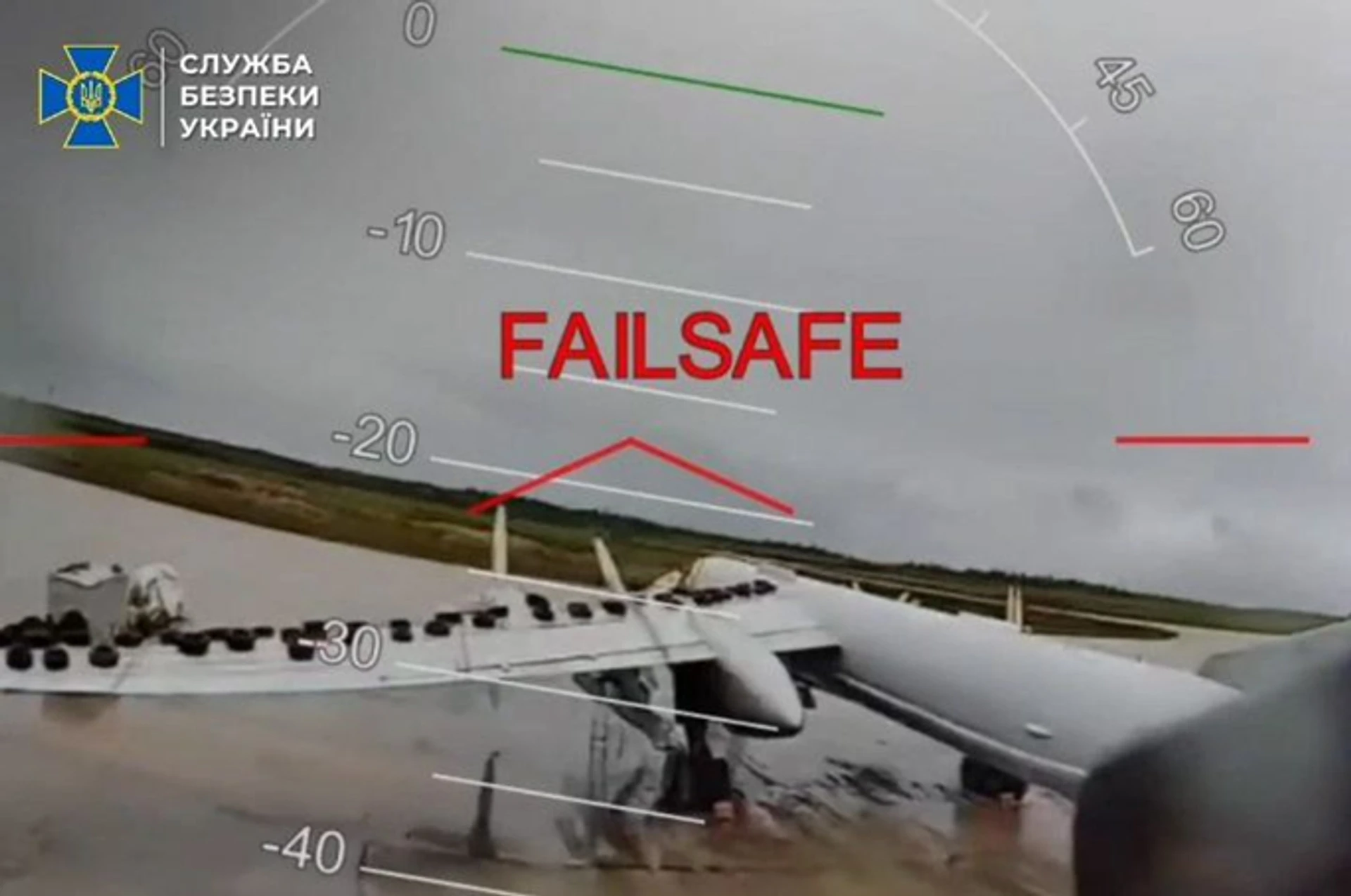
Everything changed after the Security Service of Ukraine carried out Operation Pavutyna (Spider's Web) on 1 June 2025, using first-person view (FPV) drones to strike dozens of Russian strategic aircraft in a single day. The Security Service reported that 41 warplanes worth US$7 billion had been hit. But what does this mean in practical terms?
The extent of the damage done to Russia's matériel and reputation is undeniable. But the actual combat and strategic losses caused by the attack are harder to assess.
Oboronka, a defence industry project by Mezha Media (a technology and IT news platform within Ukrainska Pravda's holding company), has analysed which Russian aircraft have been hit since the onset of the full-scale war, their significance on the battlefield, how many remain in reserve, and whether Russia still has the capacity to repair, upgrade and build new strategic warplanes.
Surgical strikes
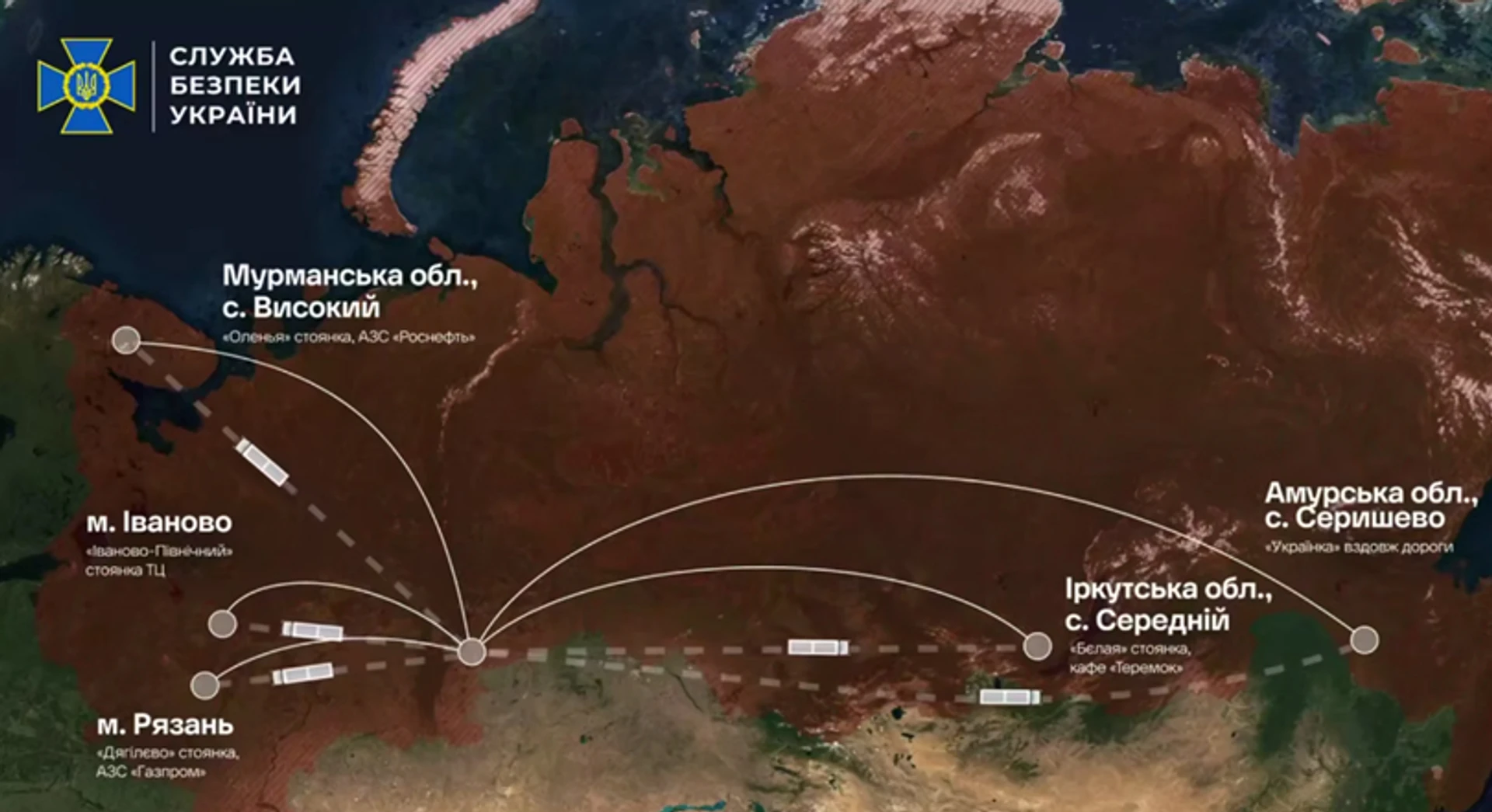
First, let's revisit how Operation Spider's Web unfolded. The strikes hit four air bases that are thousands of kilometres apart: Olenya, Belaya, Dyagilevo and Ivanovo.
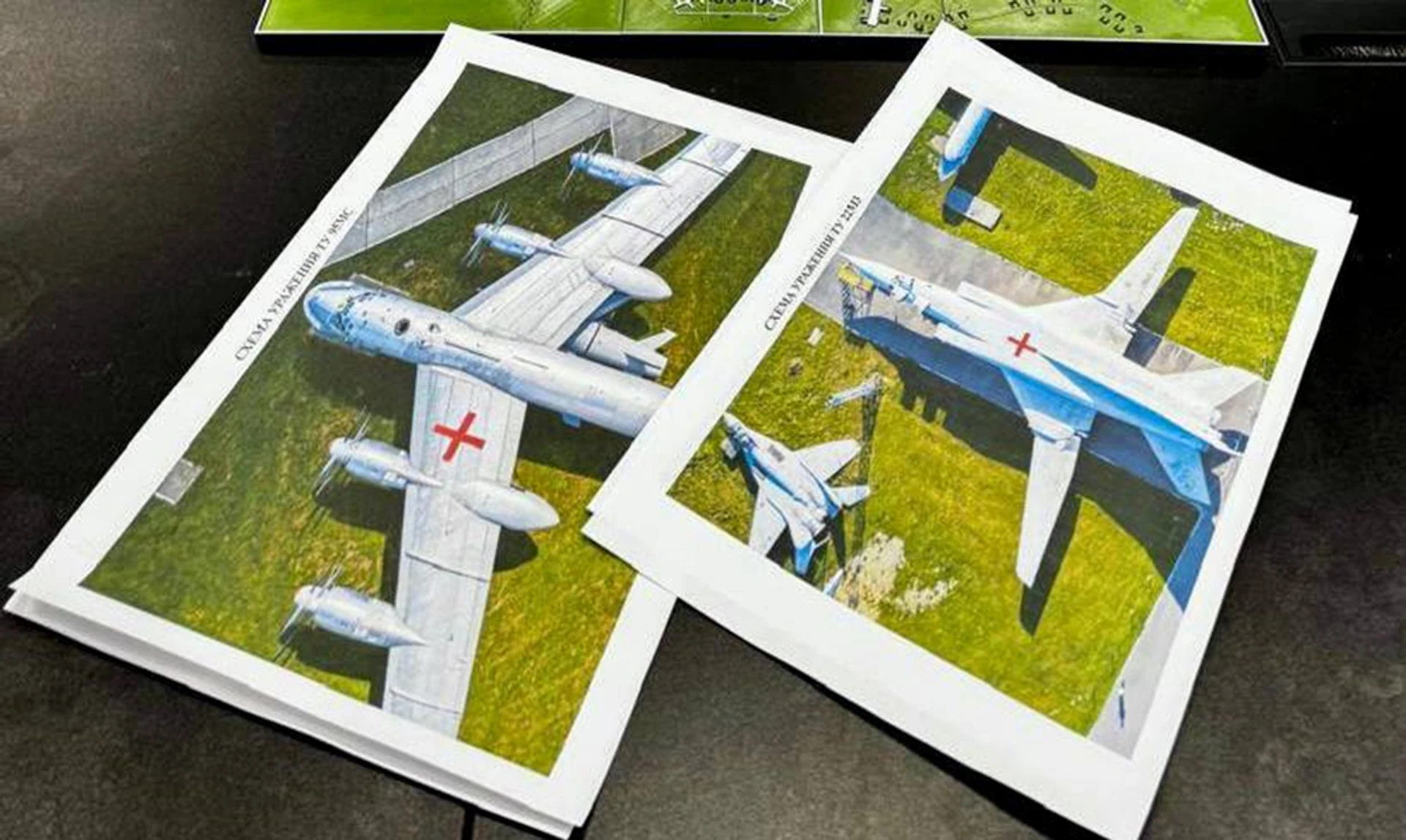
From the outset, the drone operators involved in the operation were trained to target the warplanes' most vulnerable points: fuel tanks, mounted missiles and avionics. The drones carried specialised warheads designed to burn through the fuselage before detonating. As a result, even if the explosion itself did not destroy an aircraft, fires caused by the fuel igniting could either destroy it or make repairs extremely difficult.
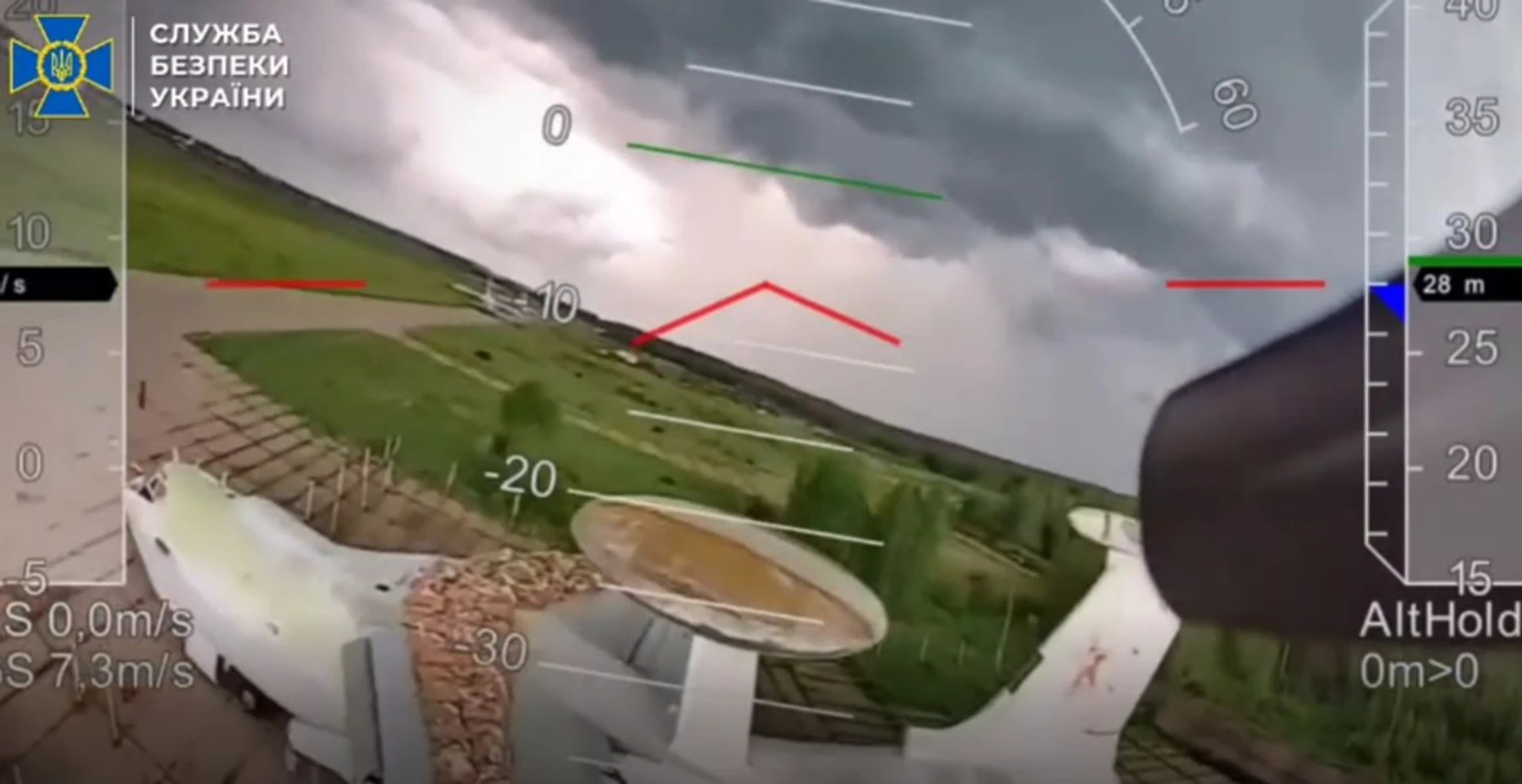
In addition to the bombers, the operation targeted two A-50U aircraft, which were at least damaged in the attack. These AWACS aircraft assist the Russians in detecting Ukrainian warplanes and directing missile strikes against them. After Operation Spider's Web, Russia claimed that these aircraft were non-operational "hangar queens". However, the Ukrainian OSINT group CyberBoroshno has since disproved this.
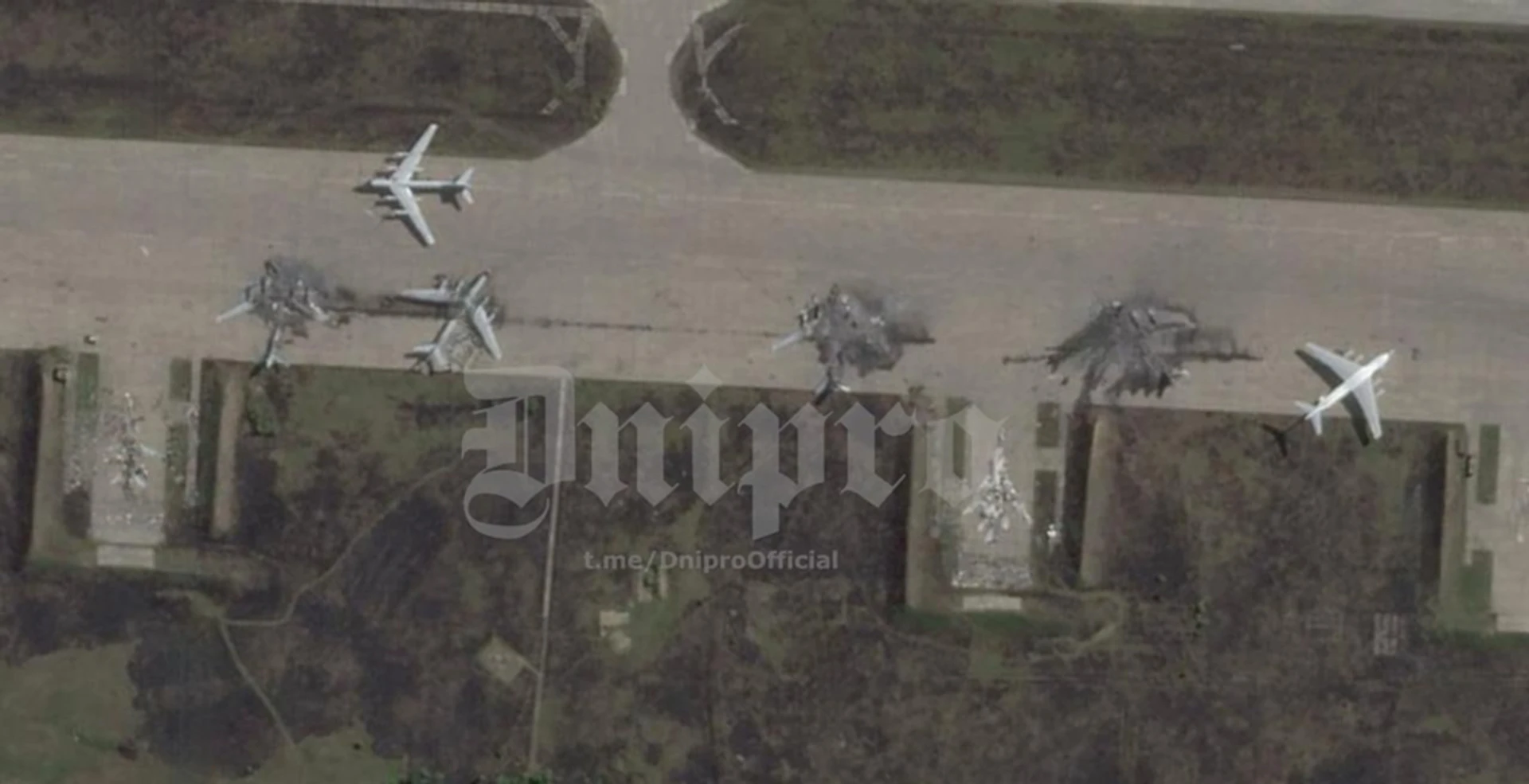
The Ukrainian research team Dnipro OSINT has analysed satellite imagery to count the number of aircraft at various Russian air bases. The total came to around 180, including transport planes.
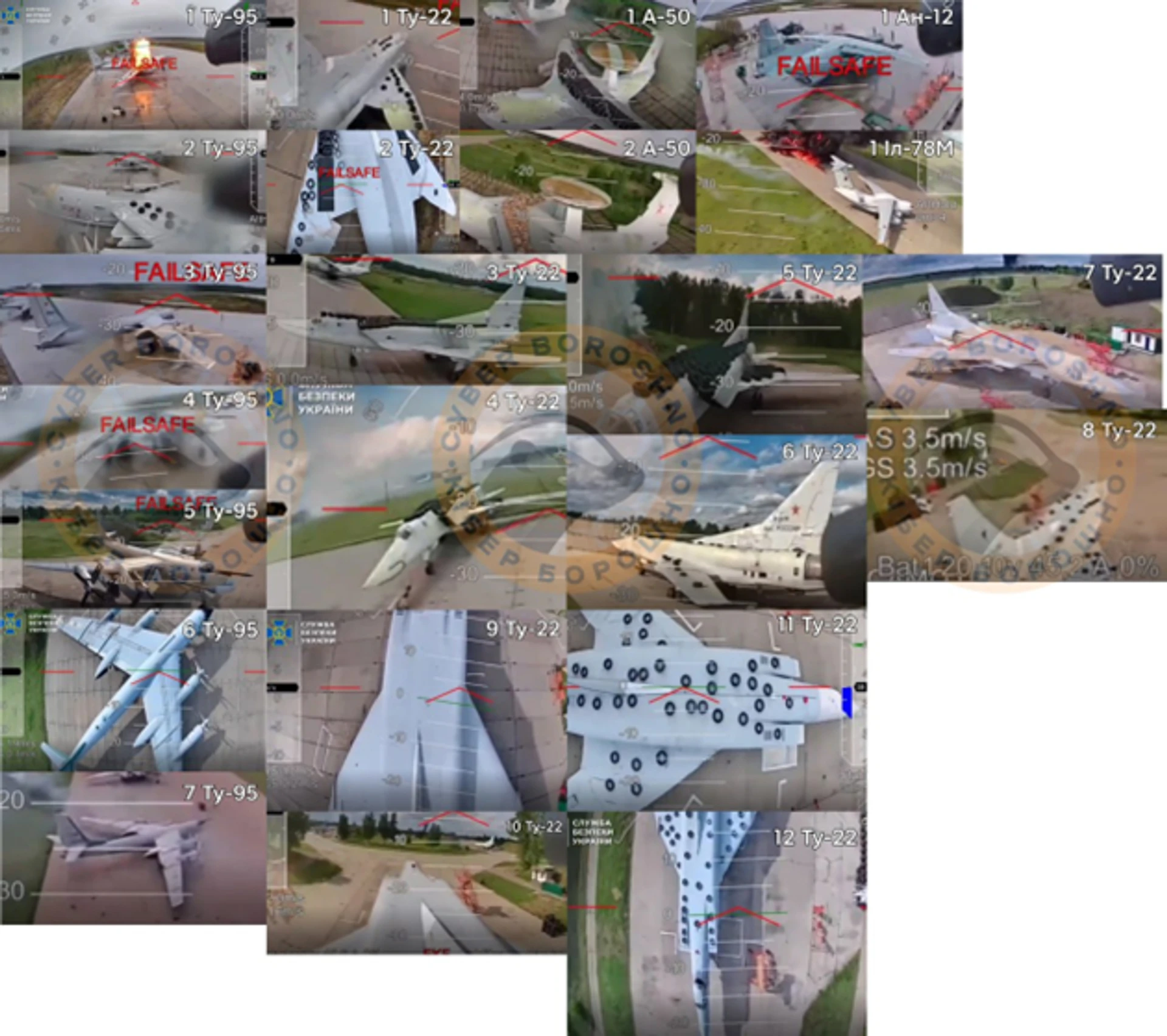
NATO officials estimate that at least 40 aircraft were hit. The CyberBoroshno community confirmed damage to 22 warplanes and identified the types using open-source information and video evidence.
In the following analysis, we will consider only confirmed losses. However, it is important to note that this represents the minimum number of losses, as the actual number of aircraft hit could exceed 40 if earlier successful operations are taken into account.
What have Ukrainian forces destroyed?
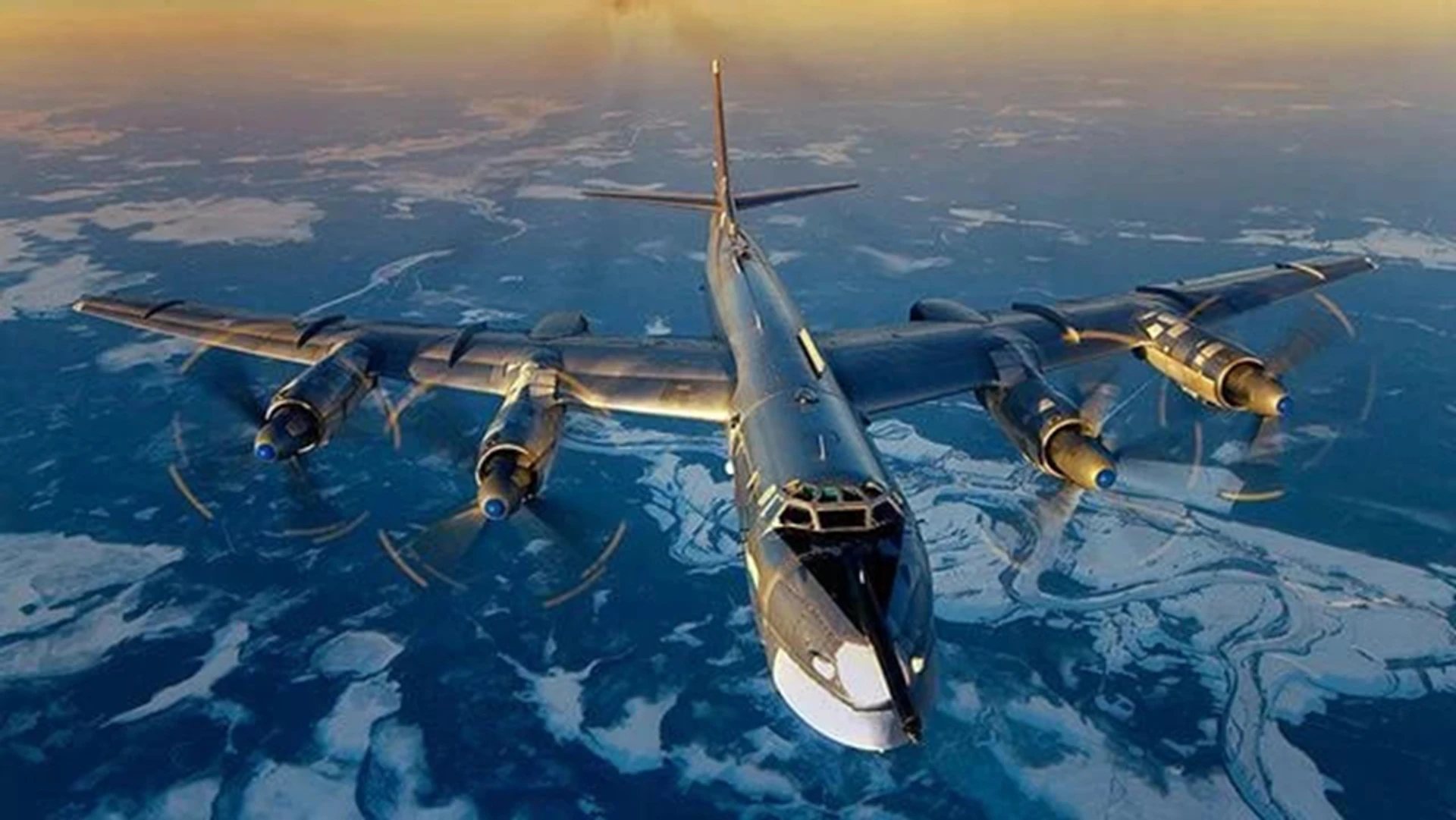
The most crucial aircraft for Russian missile strikes are Tu-95 bombers in various modifications. The Tu-95MS can launch up to four cruise missiles, while the MSM variant is capable of deploying up to eight missiles per sortie.
What makes these aircraft valuable to Russia is the long service life of their wings, fuselage and turboprop engines. This enables them to carry out numerous missions before key components – now in short supply due to the complexity of their production – need to be replaced. The Soviets produced a large number of these bombers with the intention of keeping the fleet operational in the long term through cannibalisation – using parts from some aircraft to service others.
In December 2022, as Russia was preparing to launch its latest missile strike, a Ukrainian drone reached the Engels air base and damaged a Tu-95MS. The strike was a noteworthy addition to the list of damaged and destroyed Russian strategic aircraft, though it had little overall impact at the time.
As of early 2025, Russia had up to 58 Tu-95MS bombers in various modifications, according to The Military Balance, an annual assessment of global military capabilities. Russian defence industry expert Pavel Luzin has estimated that 26 of them were operational. Other assessments are less optimistic: Ukrainian Air Force spokesperson Yurii Ihnat told Ukrainska Pravda that Russia had 36 Tu-95MS aircraft in service at the time, with the rest serving as "donors" of spare parts.
Following Operation Spider's Web, Dnipro OSINT confirmed that eight Tu-95 bombers had been hit by drones, including at least two of the latest MSM modifications. Those are only the losses visible in satellite images. The actual number may be higher.
If we assume that all the damaged aircraft were operational and not spare-part donors, the implications for Russia would be significant.
No new Tu-95 bombers or NK-12 engines have been produced for a long time. They are only overhauled and upgraded. As a result, repairing this many Tu-95s is unrealistic even in the medium term, and the stocks of hangar queens will gradually be depleted.
Another key question is what this means for the battlefield. The short-term impact of the Tu-95 losses was evident during Russian missile strikes on 6 and 17 June: Russia was forced to deploy Tu-160 bombers, aircraft that had previously seen little action in strikes.
The critical question now is how many warplanes were actually damaged or destroyed. The answer will determine whether Russia can mobilise the remaining Tu-95s from its reserve and deploy them to air bases to sustain its missile strike capability. This seems likely, since around 10 of these aircraft are typically used in a single strike against Ukraine, Ihnat says.
The situation with the Tu-160s, which temporarily replaced the Tu-95s during recent missile strikes, is also more complex than it seems.
These aircraft are considered the elite of Russia's strategic aviation, capable of carrying up to 12 cruise missiles per sortie. Their high payload capacity is largely due to their turbojet engines, which are far more powerful than the Tu-95’s.
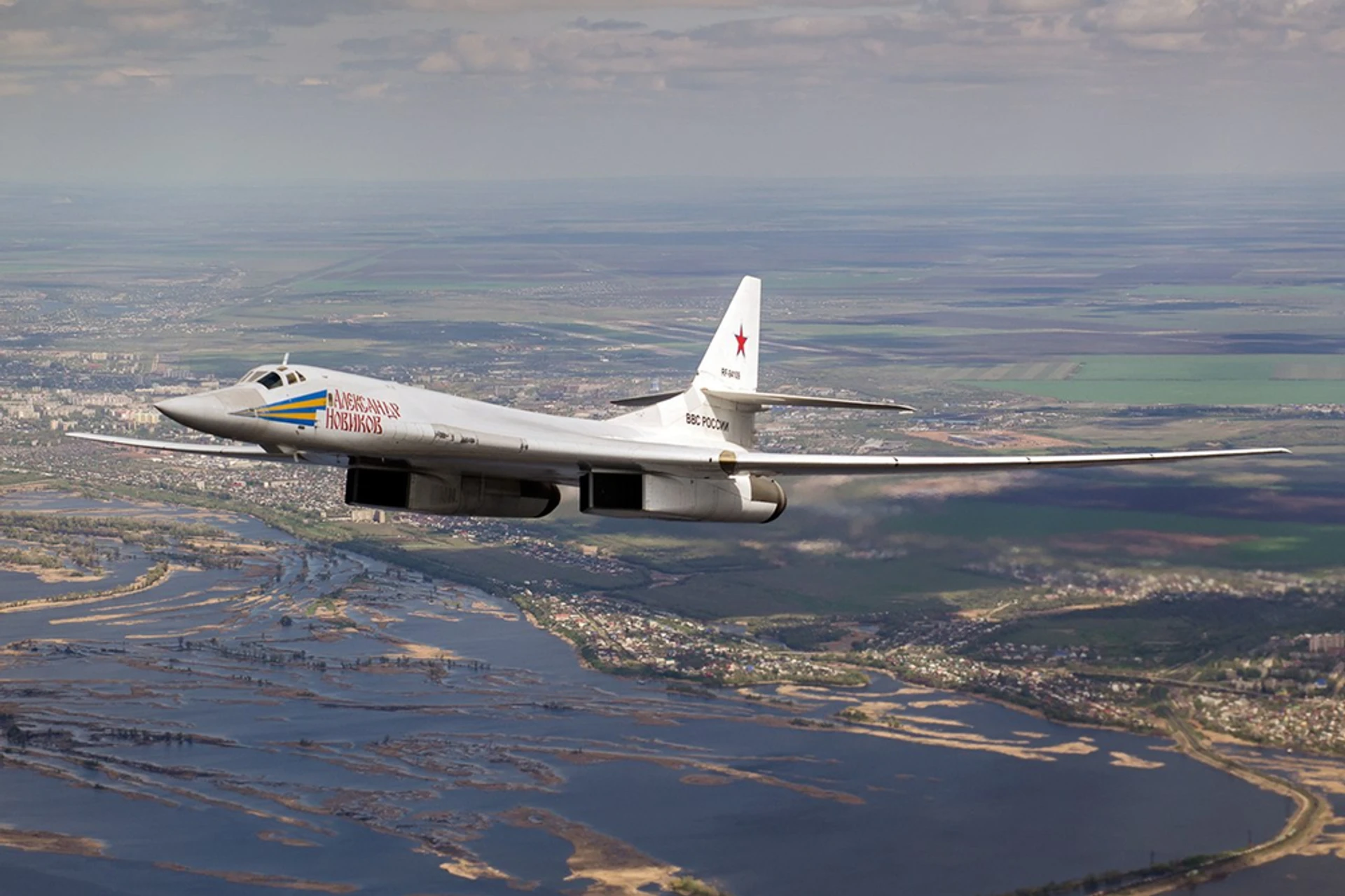
But the very thing that makes these aircraft so formidable is also their weak point. The service life of a Tu-160 engine is two to three times shorter than that of the Tu-95, as they operate with much higher loads. As a result, Tu-160s are rarely used against Ukraine.
Given their limited numbers, these aircraft are unlikely to replace the Tu-95 permanently. And although so far no Tu-160s have been damaged by Ukrainian attacks, The Military Balance reports that Russia currently has 16 in service. According to Ihnat, only 10-12 of them are operational.
In contrast to the Tu-95, the production of new Tu-160s is about to restart in Russia. In 2015, the Russians began work on resuming production and launched a programme to upgrade existing aircraft to the Tu-160M standard. As part of the upgrade, the bombers were fitted with more reliable engines and updated avionics.
In 2018, a contract was signed to produce 10 new Tu-160s by 2027. However, Defence Intelligence of Ukraine (DIU) told Oboronka that these "new" aircraft are, in fact, being assembled using airframes and other components that were manufactured during the Soviet era.
Nevertheless, the Russians’ plans are significantly behind schedule. As Luzin puts it, the story of the new Tu-160Ms is more like an amusing anecdote.
In December 2023, former Russian defence minister Sergei Shoigu claimed that four Tu-160M missile carriers had been delivered to the armed forces. A month later, in January 2024, the commander of Russian Strategic Aviation announced that the deliveries were complete. Then in December 2024, the new defence minister, Andrei Belousov, asserted that those same four Tu-160Ms would be delivered in 2025.
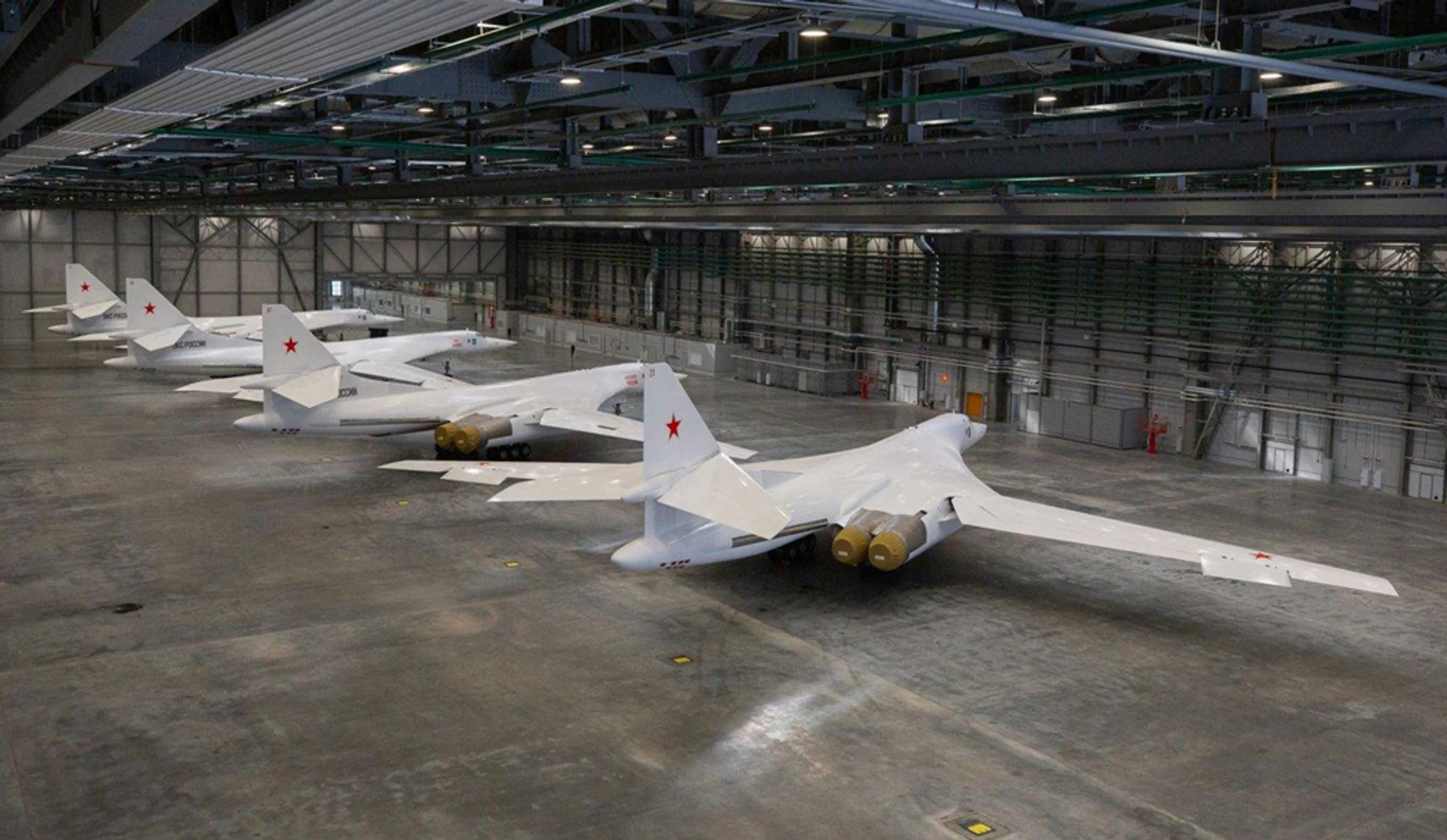
It appears that the aircraft announced by Shoigu and Belousov are still at the Tupolev plant in the final stages of production. At least that’s what the lack of any of the usual transfer procedures associated with delivering aircraft to the armed forces would suggest.
A Russian media report from the Tu-160 manufacturing plant also mentioned the construction of at least two other aircraft, but their exact production status remains unclear.
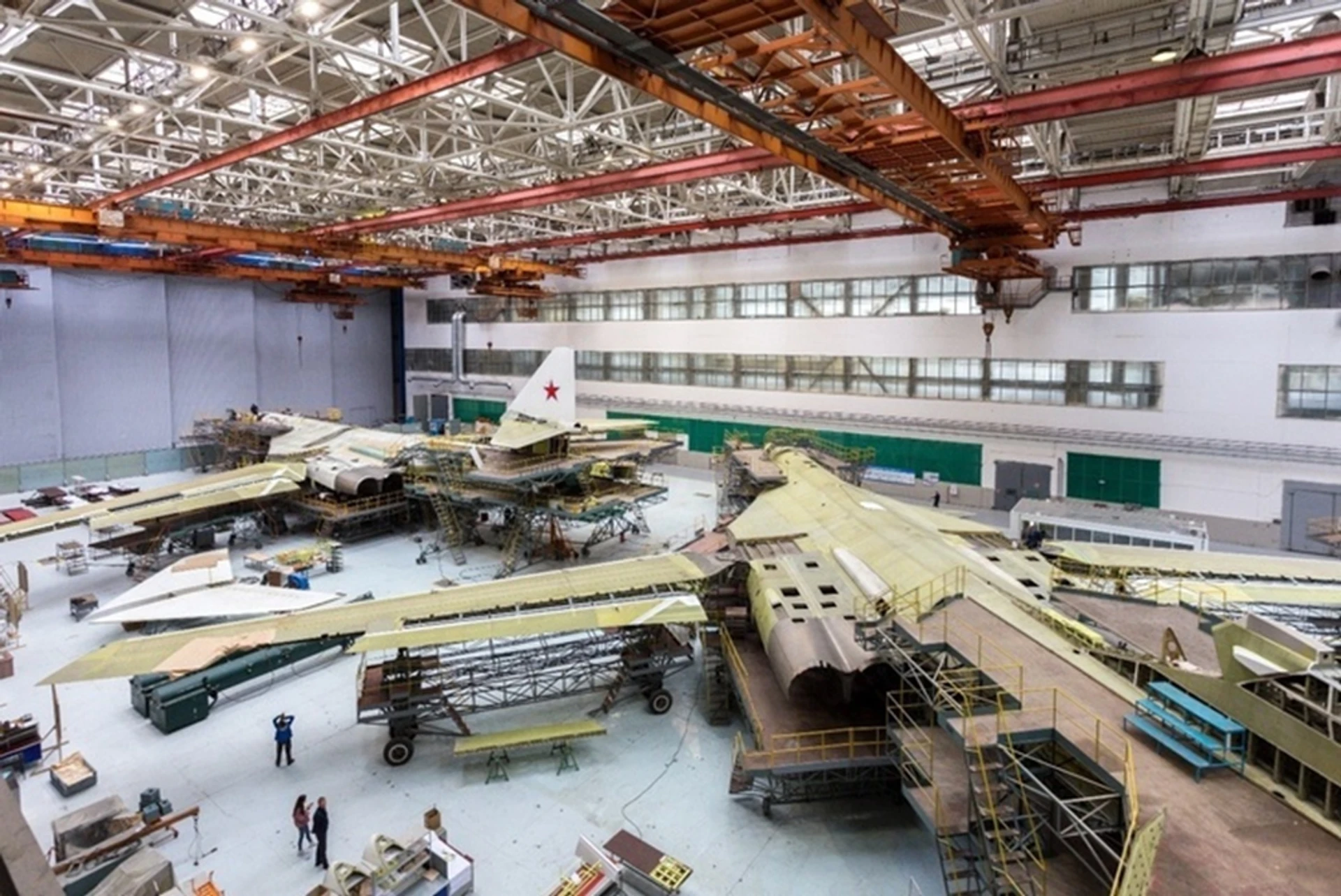
Although Russia is slowly continuing to build Tu-160s, it also needs to maintain the operational status of its existing bombers through maintenance and repairs. According to Luzin, it has already been 10-15 years since the old Tu-160s were repaired, meaning they will soon require further servicing.
Accordingly, if Russia continues to use the Tu-160s in its daily missile attacks, their "design features" are bound to reveal themselves sooner rather than later.
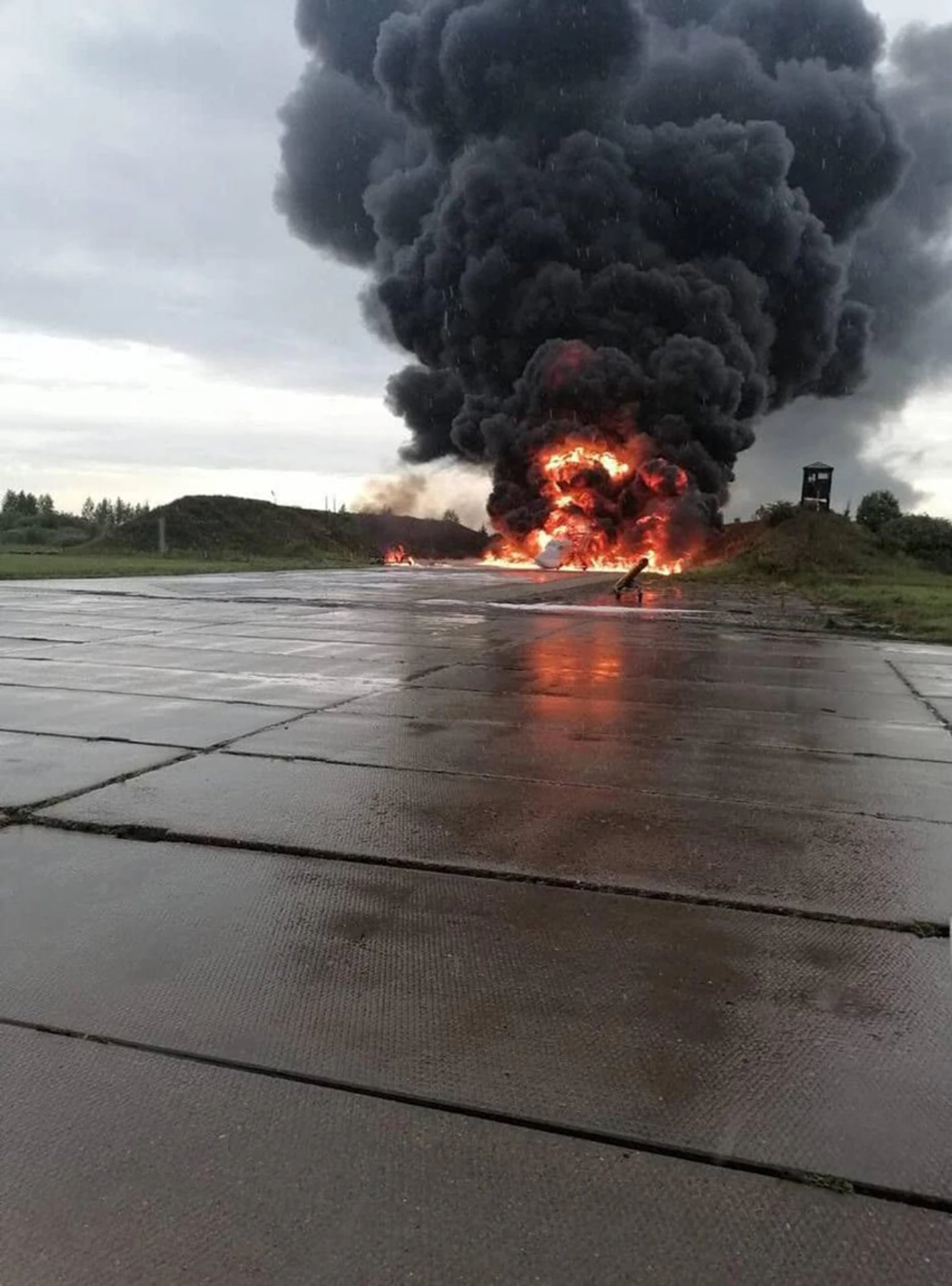
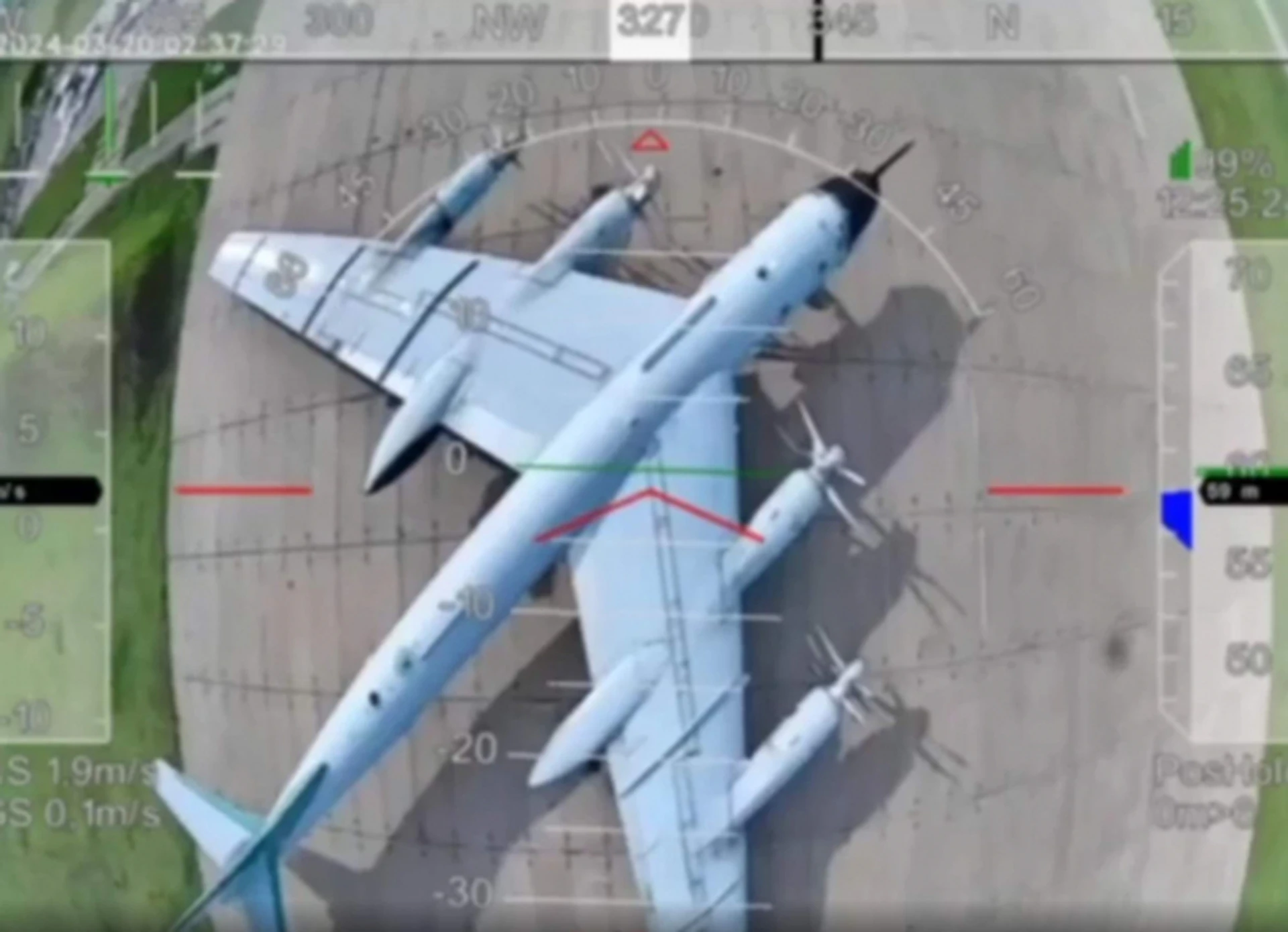
Tu-22M3 bombers were the aircraft hardest hit by Operation Spider's Web. Unlike the Tu-95 and Tu-160, Tu-22M3 bombers have specific tactical roles. They have been used to strike the city of Mariupol with 3-tonne bombs, and their primary weapon is the Kh-22/32 anti-ship missile.
According to Ihnat, these missiles are among the most powerful but also the least accurate, as they were designed to target aircraft carrier groups rather than ground targets. Over 400 of these missiles have been launched on Ukrainian cities since the start of the full-scale war, repeatedly striking civilian areas.
DIU has reported that as of 2023, Russia had 27 operational Tu-22M3 aircraft, with two more undergoing repairs.
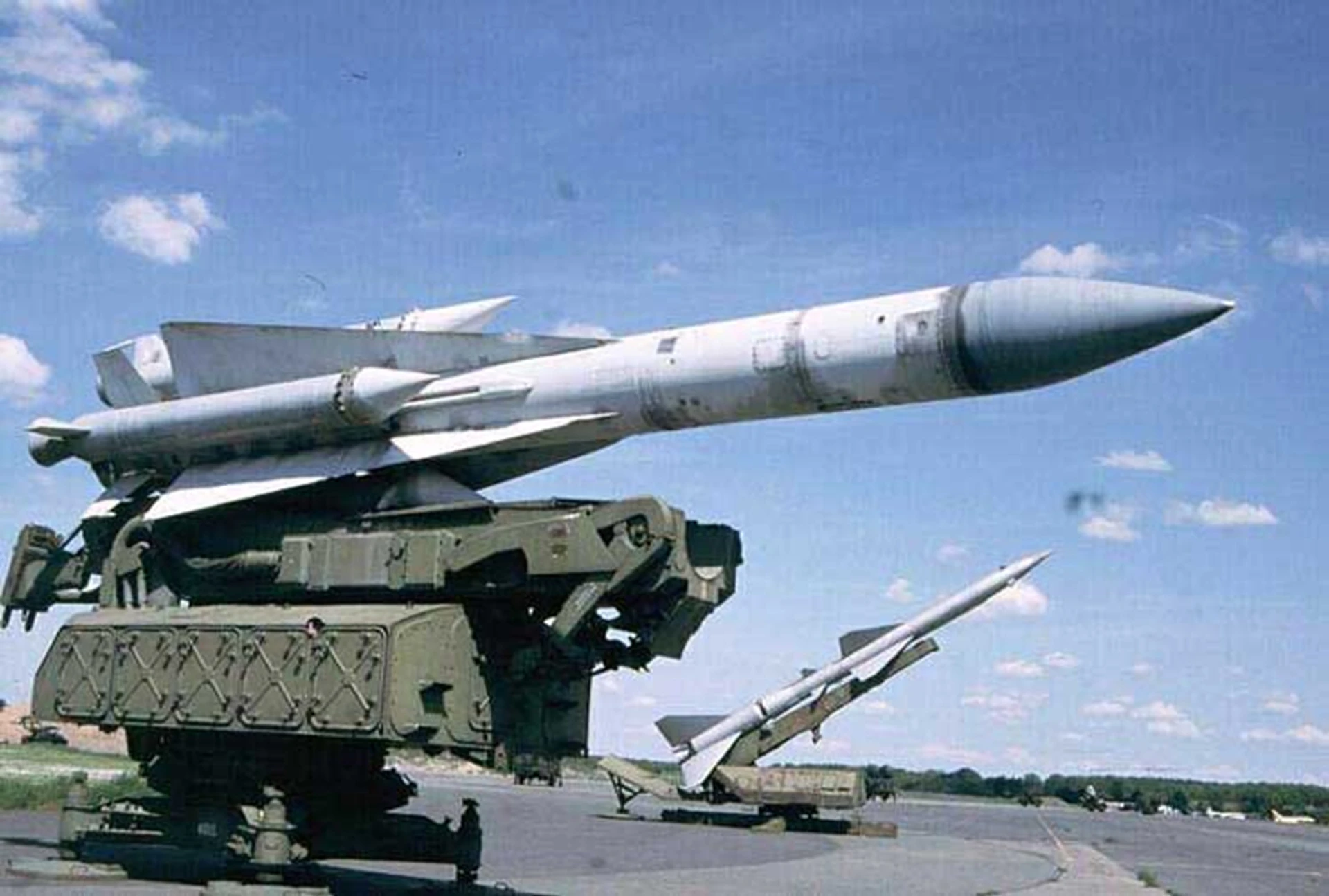
Russia lost its first Tu-22M3s in 2023 when Ukrainian forces destroyed one aircraft and damaged another using explosives dropped from drones. In 2024, the Ukrainian Air Force, together with DIU, shot down another Tu-22M3 over the Sea of Azov as it was heading back from a missile strike on Ukraine, using a modified Soviet-era S-200 air defence missile system. Based on visually confirmed losses, Operation Spider's Web destroyed at least 12 others.
These bombers are not currently being manufactured in Russia. Between 2018 and 2022, there was a programme to upgrade them to the Tu-22M3M standard, which would have enabled them to use more accurate modern weapons. However, the current status of this programme is unknown. Given that the upgraded Tu-22s were to have received the same engines as the new Tu-160s, Russia will likely prioritise the Tu-160s and postpone overhauling the Tu-22s to a later date.
Unlike the Tu-95s and Tu-160s, the Tu-22M3 is not a key carrier of Russian high-precision cruise missiles, so their loss is not expected to have a significant impact on combat operations.
Among the other damaged strategic aircraft, the A-50U AWACS planes stand out. They are some of the most valuable assets in the Russian arsenal. They serve as command centres, equipped with powerful radar systems capable of detecting aerial and surface targets hundreds of kilometres away. These aircraft are actively engaged in combat operations against Ukraine, posing a serious threat to Ukrainian warplane and helicopter pilots by directing air defence missiles and fighter jets to intercept them.
According to Luzin, Russia had nine A-50U aircraft in service until 2024.
In January and February 2024, Ukrainian defence forces succeeded in shooting down two A-50U aircraft; one was brought down using an S-200 air defence system. Two more A-50Us were damaged in Operation Spider's Web.
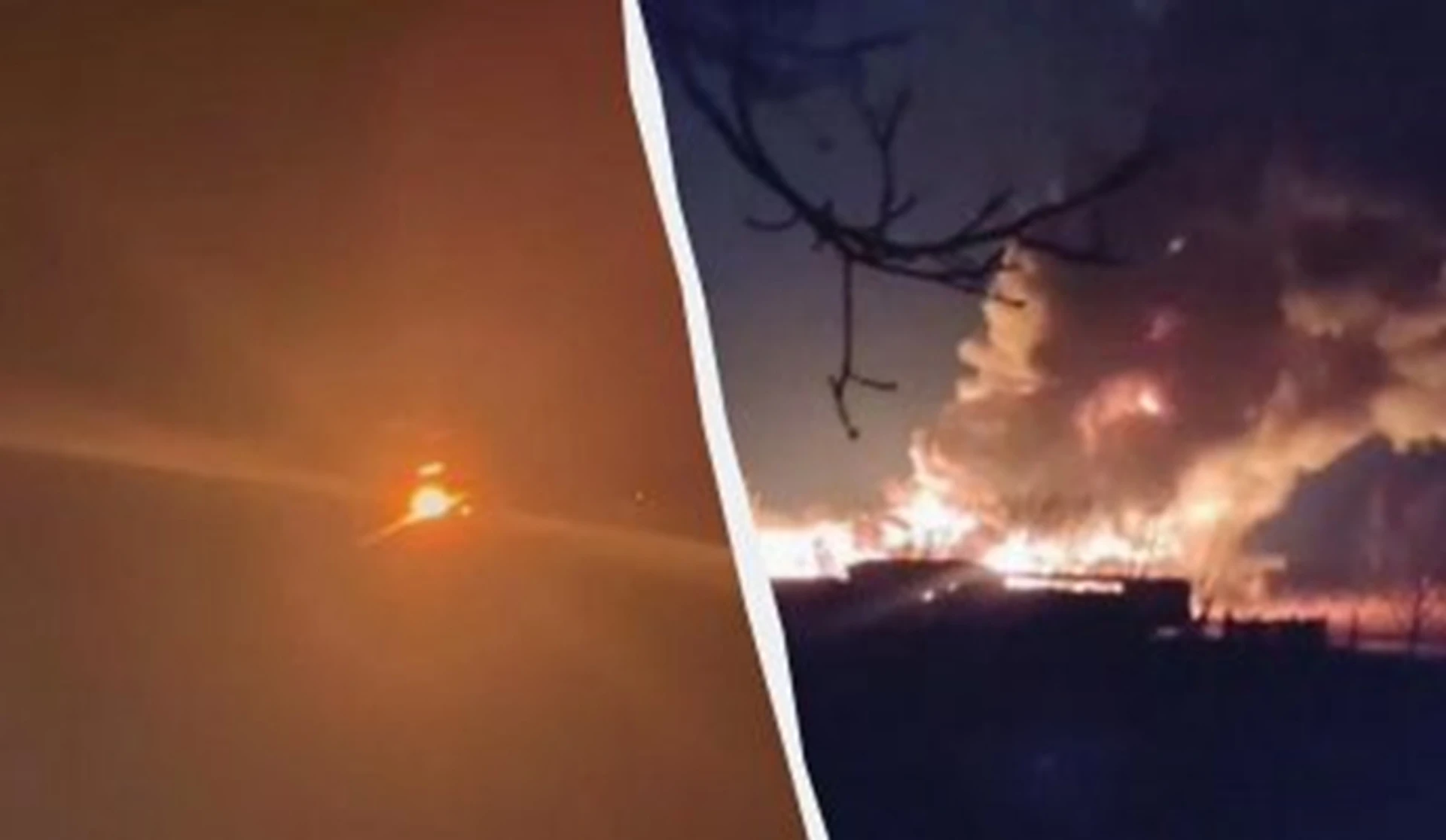
Thus, four of Russia's nine A-50U aircraft have been rendered inoperable. According to DIU, Russia typically deploys four of these aircraft in operations against Ukraine. As a result, Russia’s losses are approaching a level that could directly impact its combat capabilities.
On the other hand, Moscow still has several unmodified A-50 aircraft in reserve that could either be deployed as they are or upgraded to the A-50U standard.
The radio equipment on each aircraft costs hundreds of millions of dollars, and its production and installation require highly specialised personnel with experience of working with Soviet legacy technology.
Although Russia can manufacture IL-76MD aircraft (the platform for the A-50), producing and installing all the required avionics under sanctions remains an extremely challenging task.
To simplify the process, Russia could use the mothballed A-50s and upgrade their avionics. However, it is not known how long any such upgrade would take. DIU believes that Russia is unable to produce new aircraft of this type but is investing significant effort into maintaining the existing fleet.
There is also a programme to develop a new A-100 AWACS aircraft to replace the ageing A-50s. According to DIU, these aircraft were still undergoing testing in 2024. However, Russian military blogger and propagandist Ilya Tumanov, aka Fighterbomber, has claimed, citing unnamed sources, that the A-100 programme has been scrapped.
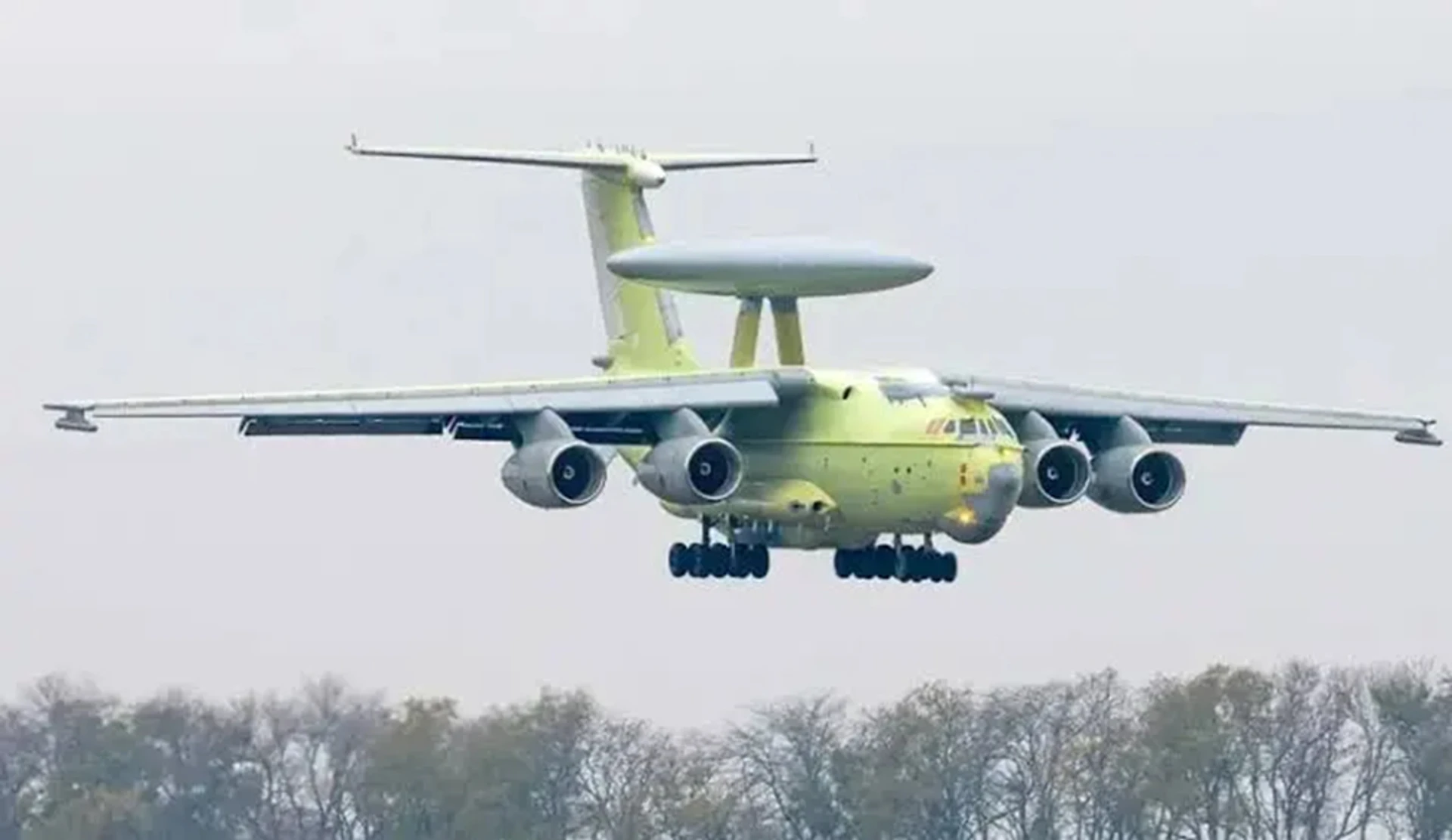
It remains a mystery what is actually happening with the A-100 project, but as far back as 2013, when there were no sanctions at all, Russian officials were already expressing frustration over the project's complexity. This stemmed from design issues, constant delays, and the lack of IL-76MD-90s, the platform needed for the installation of the equipment.
Saving Private Tu
If we attempt an overall assessment of the consequences of Operation Spider's Web and other strikes on Russian strategic aircraft, it appears that Russia's losses have now pushed it to the brink of a serious decline in combat capability, a threshold that in some respects has already been crossed.
Russia's position on the brink means that each additional aircraft lost will have a far greater impact on its ability to conduct missile strikes and long-range radar reconnaissance than did those destroyed between 2022 and 2024. Another operation like Spider's Web could spell disaster for Moscow.
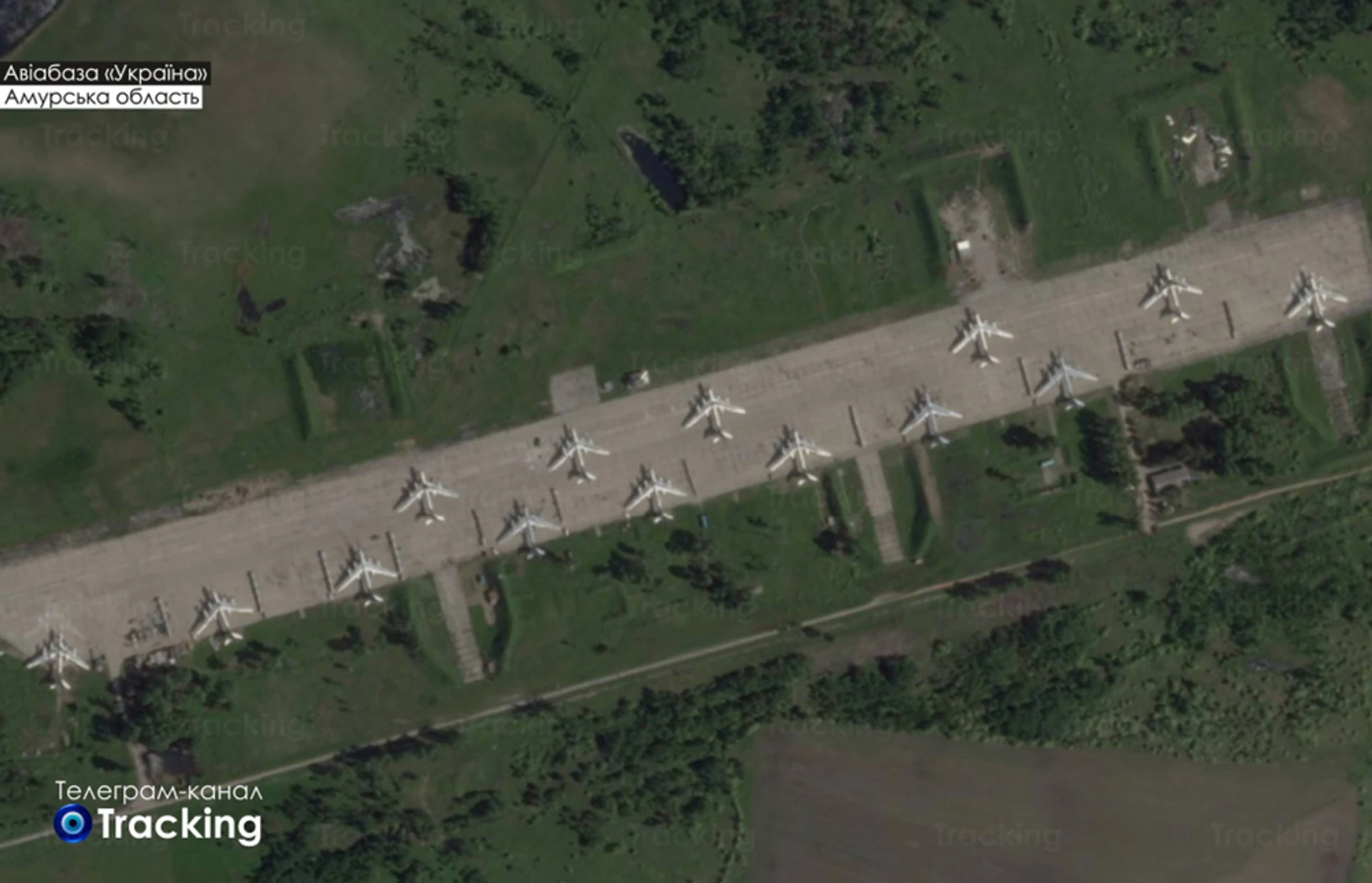
It seems the Russians understand this as well. After Operation Spider's Web, they moved their warplanes even further away – to the Ukrainka air base in Russia’s Far East, some 6,000 km from the front line.
As of 15 June, there were 37 Tu-95 aircraft at the Ukrainka air base, some of which may be serving as sources of spare parts for repairs. Russian warplanes are increasingly being deployed to air bases located 6,000 to 7,000 km away from Ukraine, adding a significant logistical burden on the aircraft. Having to make such long flights between bases to carry out strikes consumes a considerable amount of time and places already scarce engine resources under further strain.
According to DIU, Russia is unable to resume production of new strategic and long-range aircraft. This is due to the loss of critical technologies, a shortage of skilled workers, and a lack of components, particularly those sourced from Western suppliers.
Russia's strategic aviation is a legacy of the Soviet Union that the Russians can neither reproduce nor adequately maintain. For this reason, the results of Operation Spider's Web will undoubtedly have a long-term effect.
Finally, it's worth noting that the consequences of the operation could have been even more painful for Russia if Ukraine had not transferred a number of aircraft to its future adversary in the 2000s.
Ukraine handed over eight Tu-160 bombers, three Tu-95MS aircraft and more than 500 Kh-55 missiles to Russia in exchange for discounted gas supplies. At least one of those Tu-95MS bombers, named Izborsk, is known to have been used in missile attacks on Ukraine.
The transfer of the Ukrainian Tu-160s likely ensured their survival and later use by Russia, since 19 of the 27 aircraft produced during the Soviet era were based in Ukraine. Journalists from Radio Liberty have identified six former Ukrainian bombers now being used by Russia in missile attacks. Had Ukraine not handed over those eight aircraft, Russia would currently have 11 Tu-160s of various modifications in service, a reduction that would have significantly weakened its combat potential.
Russia's strategic aviation is clearly not at its lowest point – back in the 2000s, many of the aircraft were not flying at all. Still, it is now a long way from its peak.
Further losses of Russian AWACS aircraft would give Ukrainian warplanes greater freedom of movement and enable them to be more actively involved in striking the Russians.
The latest missile strikes involving the simultaneous use of Tu-95 and Tu-160 bombers have demonstrated that it is entirely possible to push Russia into a missile deficit limited not by stockpiles, but by the number of operational launch aircraft. Especially if operations like Spider’s Web continue.
Author: Illia Bolharyn
Translation: Artem Yakymyshyn
Editing: Charlotte Guillou-Clerc and Teresa Pearce